California Midterms: Supreme Court denies Trump bid to block 20,000 ballots
The high court rejected a final plea to sequester votes the Justice Department claims belong to non-citizens, leaving lower court rulings intact as the state prepares to count over six million mail-in returns.
By Ryan Carter ·
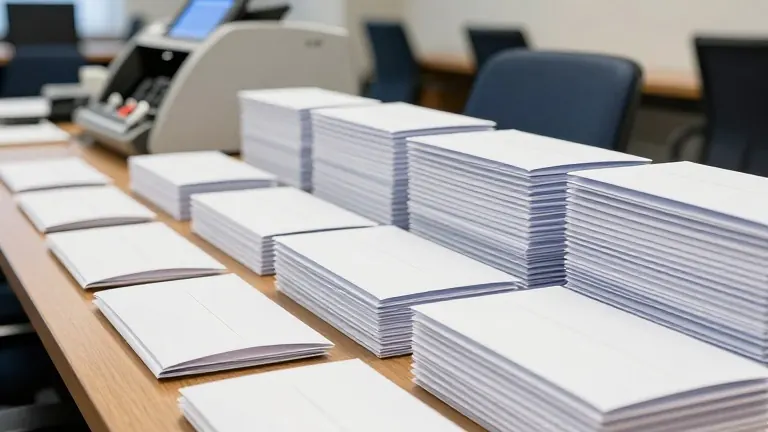
The US Supreme Court denied the Trump administration's final request to stop California from counting 20,000 disputed ballots in the upcoming midterm election. The one-line order issued Monday stated that the application for an injunction pending appeal was denied. This decision allows rulings from lower federal courts to stand, effectively ending the federal government's attempt to disqualify the specific group of votes.
The Justice Department sought to have these ballots set aside, alleging the voters were likely non-US citizens. In a 22-page brief, the department argued that ballots cast by non-citizens could debase or dilute valid votes. Last month, the department sent letters to the California secretary of state and the Los Angeles County Registrar demanding the ballots be segregated. Approximately one week later, armed officials from the Department of Homeland Security delivered letters to county officials across the state, threatening criminal charges if the ballots were not sequestered.
Two lower courts had previously rejected the federal request. On Friday, a federal appeals court declined the government's bid to segregate the votes. California election officials questioned the accuracy of the federal list, stating it contained numerous inaccuracies. They expressed concern that eligible voters might be disenfranchised and argued that separating ballots while voting is still underway is unfeasible. The state's secretary of state's office reported that more than six million mail-in ballots had been received as of Sunday night.
California holds the largest voting population in the nation, with roughly 23 million people on the register. The midterm election will determine which political party controls the US Congress for the final two years of President Donald Trump's second term. The Supreme Court's decision comes on the eve of this critical vote, with the case presented to Justice Kagan and referred to the full Court before being denied.
District Judge David Carter issued a scathing ruling last week, describing the government's move in California as indicative of an ongoing pattern of attempted election interference. He noted that never before in American history has the federal government sought to coerce a state and local government to abandon their own constitutional election procedures on the eve of an election. Trump has repeatedly claimed that Democrats steal elections by allowing immigrants to vote illegally, blaming the practice largely on mail-in voting permitted in many Democratic states.
This legal battle is part of a years-long campaign by the administration to fight alleged voter fraud, which the White House believes is widespread. Research cited in the dispute suggests that such fraud is extremely rare. The Supreme Court's rejection of the injunction clears the path for California to proceed with its standard vote count for the November elections.
Source: BBC News