What a House shift means for Mecklenburg oversight and economy
Voters in Charlotte, Concord, and surrounding towns decide federal and state races that will shape the final two years of the Trump administration and local fiscal policies.
By Yasmin Farouk ·
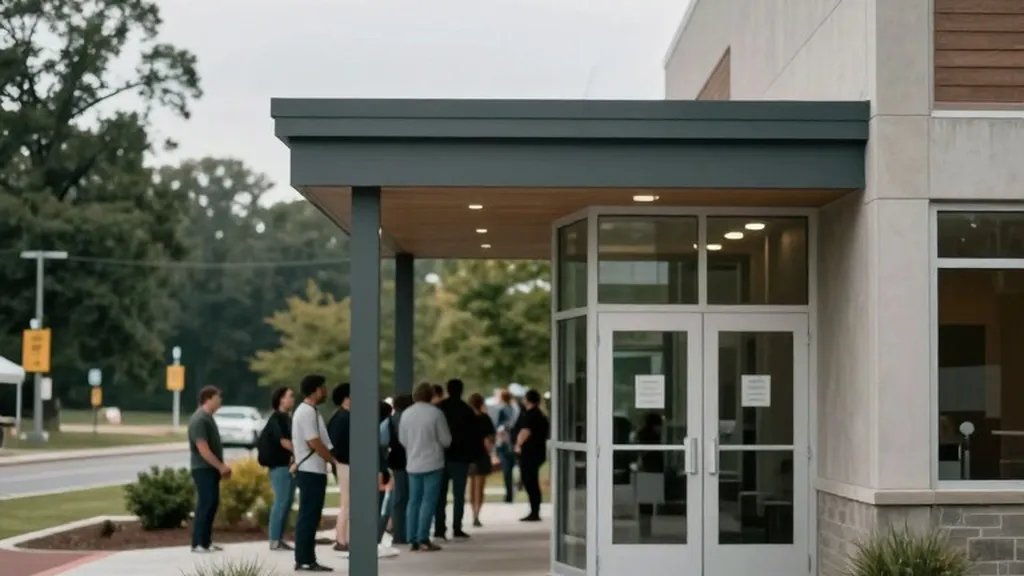
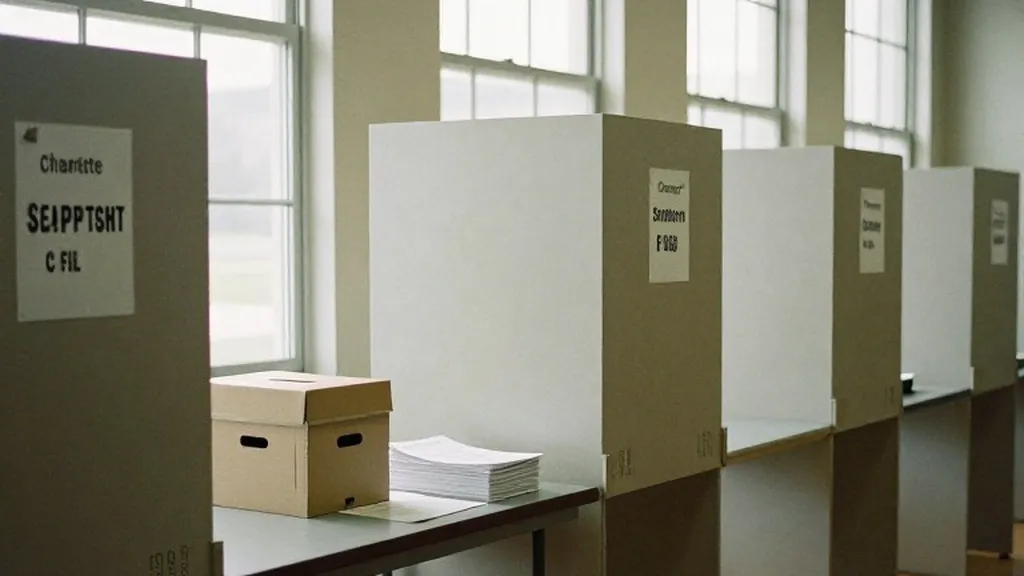
Polls in Mecklenburg County opened at 6:30 a.m. on Tuesday, November 3, 2026, and will remain open until 7:30 p.m., according to Ballotpedia. Residents in Charlotte, Concord, Kannapolis, Huntersville, Indian Trail, and Gastonia are casting ballots for a slate of federal, state, and local offices. The general election determines the composition of the U.S. House of Representatives and the U.S. Senate for the next term, as well as state legislative seats and local municipal positions. North Carolina is one of six states using new congressional maps following mid-decade redistricting, a change that alters the boundaries for every House district in the state, including those in Mecklenburg County.
The state's most prominent federal race is the open U.S. Senate contest, where former Governor Roy Cooper of the Democratic Party faces Michael Whatley, a former Republican National Committee chair. According to the Associated Press, this race is significant because Senator Thom Tillis retired after a public clash with President Donald Trump. The outcome of this race, along with the House results, will determine which party holds the majority in Congress for the final two years of the current presidential term. This control is critical for oversight powers, including the ability to launch investigations or initiate impeachment proceedings if the president's party does not hold a majority in either chamber.
Economic concerns are driving voter turnout across the county, with many residents citing high prices and tax burdens as primary motivators. James Moore, a 57-year-old librarian in Raleigh, told the Associated Press that he is paying more for healthcare and general goods, a sentiment echoed by voters in Mecklenburg County. The AP-NORC poll indicates that 25% of U.S. adults approve of the president's handling of the economy, while approximately 7 in 10 say the country is heading in the wrong direction. For Mecklenburg County, the balance of power in Congress will influence federal spending priorities and debt ceiling negotiations, factors that Reuters notes are closely watched by Wall Street for their impact on investor confidence.
The House race is particularly tight, with Republicans holding 218 seats and Democrats 214, leaving only one independent and some vacancies. Democrats need a net gain of three districts to secure a majority, while Republicans can afford to lose no more than two seats. In North Carolina, every U.S. House seat is on the ballot, and the new maps have created competitive districts that could tip the national balance. Ballotpedia identifies 46 battleground districts nationwide, and the results in these areas, including those in the Charlotte metropolitan area, will be decisive in determining which party controls the legislative agenda for the next two years.
Voters in Mecklenburg County are also deciding on three statewide ballot measures that could affect local finances and voting procedures. One measure proposes a constitutional amendment to limit property tax increases, a topic of significant interest in counties like Mecklenburg where property values have risen sharply. Another measure seeks to reduce the maximum allowable income tax rate from 7% to 3.5%, which could impact state revenue and funding for local infrastructure projects. A third measure requires photographic identification for all voters, not just those voting in person, a change that election officials in the county are preparing to implement if it passes.
The administration of the election has been a focus of attention, with the U.S. Postal Service adding hours and staff to ensure mail ballots are counted on time. A federal judge temporarily barred the Trump administration from carrying out a plan to prevent noncitizen voting, a move that critics argued could disenfranchise eligible voters. These administrative actions have heightened the stakes for local election officials in Mecklenburg County, who are tasked with ensuring that every valid vote is counted accurately and efficiently. The Justice Department has also threatened to prosecute local election officials, a concern that has led some Democrats to fear interference in the final count.
The mood among voters is one of cautious engagement, with more than 57 million people having already cast ballots as of Monday, surpassing early vote totals from four years ago in many states. Republican leaders are bracing for the possibility of losing the House, while Democrats express cautious optimism about their chances to reclaim control. The Associated Press describes the election as a referendum on the president's second term, with voters struggling with high prices and an unpopular war with Iran. This sentiment is particularly resonant in Mecklenburg County, where the economic impact of these national issues is felt in local housing markets and small businesses.
The financial stakes of this election are high, with the 2026 races likely to be the most expensive in history. Republican committees have outraised and outspent their Democratic counterparts, aided by Trump-affiliated groups and contributions from Elon Musk. However, at the candidate level, Democrats have outraised their opponents, suggesting a competitive fight in key districts. The Associated Press analysis of AdImpact data shows that 88.1% of Republican general election TV ad spending went to states and districts that Trump won in 2024, including areas where he won by 10 points or more. This targeted spending strategy is evident in North Carolina, where both parties are heavily investing in the Senate and House races.
The outcome of the election will have immediate implications for the oversight of the executive branch. If Democrats win even one chamber, investigations and possible impeachment proceedings become likely, according to the Associated Press. House Democratic Leader Hakeem Jeffries has outlined a 100-day agenda focused on the cost of living and oversight, which would prioritize issues that are top of mind for Mecklenburg County residents. A strong Democratic night could also boost potential 2028 presidential candidates and complicate the path of Vice President JD Vance, while a Republican hold would maintain the status quo in federal governance.