Senate races: 13 battlegrounds and the math for 2026 control
Mecklenburg County voters pick their state's open Senate seat today, while the national fight for the chamber hinges on a handful of tight contests.
By Nathan Reed ·
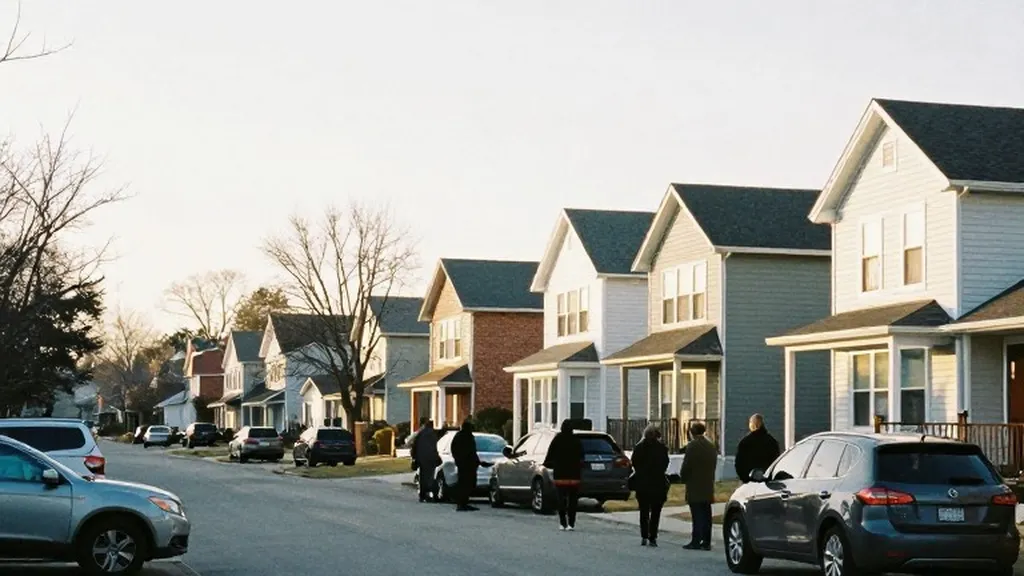
Voters in Mecklenburg County, North Carolina, are heading to the polls today, Tuesday, November 3, 2026, with polls open from 6:30 a.m. to 7:30 p.m. According to Ballotpedia, the county is deciding its U.S. Senate representative in an open seat, as current Senator Thom Tillis is retiring. The ballot also includes every U.S. House seat in the state, state legislative offices, and local measures that vary by jurisdiction. In Charlotte, Concord, Gastonia, Huntersville, Kannapolis, and Indian Trail, residents are casting ballots that will help determine the balance of power in the federal government for the next two years of President Donald Trump's second term.
The national stakes are high as 35 of the 100 seats in the U.S. Senate are up for grabs. According to Ballotpedia, Republicans currently hold 53 seats, while Democrats hold 45, plus two independents who caucus with the Democrats. To gain a majority, Democrats need a net gain of four seats, a threshold that requires winning multiple competitive races. Republicans can afford to lose only two seats to maintain their current control. The results of these elections will determine who leads the chamber during the final two years of the current presidential term, with winners beginning their six-year terms on January 3, 2027.
Thirteen Senate races are considered battlegrounds according to Ballotpedia's analysis. These contests are spread across states with varying 2024 presidential margins and incumbent status. In North Carolina, the open seat is a key part of this list, with the state having voted for Donald Trump by 3.3 percentage points in the 2024 presidential election. Other battlegrounds include Alaska, Florida, Georgia, Iowa, Kansas, Maine, Michigan, Montana, Nebraska, New Hampshire, Ohio, and Texas. The composition of these races includes a mix of incumbent senators seeking re-election and open seats where the previous officeholder has retired or moved to another role.
Race ratings from Cook, Decision Desk, Inside Elections, and Sabato provide a snapshot of the competitive landscape as of October 27. Maine is rated as a toss-up by all four organizations, making it a critical race for both parties. Iowa is viewed as a toss-up or tilt Republican, while Kansas is seen as toss-up to lean Republican. In contrast, Alaska and Michigan are rated as toss-up to lean Democratic, and Georgia is considered lean to likely Democratic. These ratings suggest that the outcome in these specific states could tip the balance of the entire Senate, as the margin for error for both parties is narrow.
Specific matchups in these battlegrounds have drawn significant attention from the Associated Press and PBS NewsHour. In North Carolina, Democratic former Governor Roy Cooper faces former Republican National Committee chair Michael Whatley. In Georgia, Senator Jon Ossoff is running against Republican Representative Mike Collins. The race in Ohio features Democratic former Senator Sherrod Brown against Republican Senator Jon Husted. In Michigan, Republican former Representative Mike Rogers competes against Democrat Abdul El-Sayed, with a late endorsement from El-Sayed's former primary opponent Haley Stevens adding a new dynamic to the contest. These high-profile matchups underscore the intensity of the competition in states where the presidential margin was close.
Other key races include the contest in Texas, where Republican Attorney General Ken Paxton faces Democrat James Talarico. The Associated Press noted that Trump backed Paxton over Senator John Cornyn in the primary. In Maine, Senator Susan Collins is running against Democratic former State Senate President Troy Jackson, with the AP noting that economic strain and tariffs have made the state more competitive. New Hampshire sees Democratic Representative Chris Pappas facing former Republican Senator John E. Sununu for the seat previously held by Jeanne Shaheen. Kansas, a traditionally Republican state, has become central to the fight for Senate control, with the race viewed as a potential upset scenario for Democrats.
The mood of the election is described by the Associated Press as a referendum on Trump's second term, with voters grappling with high prices and dissatisfaction over an unpopular war with Iran. AP-NORC polling indicates that 35% of U.S. adults approve of Trump's job performance, while only 25% approve of his handling of the economy. About seven in 10 Americans say the country is heading in the wrong direction, with most blaming the president for high prices. More than 57 million people had already voted as of Monday, surpassing early vote totals from four years ago in many closely watched states, suggesting a high level of engagement among the electorate.
Republicans are bracing to lose the House while fighting to hold the Senate, with the AP noting that one or two seats could tip the balance in either chamber. Democrats are described as cautiously optimistic about their chances. President Trump held dozens of rallies to support Republican candidates, ending a recent schedule in Salina, Kansas, where he urged voters to pretend he was on the ballot. His administration has also been involved in legal disputes, including lawsuits in Alaska and California related to voting certification and noncitizen voting, which critics say could affect the final tally. The 2026 elections are likely to be the most expensive in history, with Republican committees outraising Democrats, though Democrats have outraised their opponents at the candidate level.
Voters in Mecklenburg County can find their polling place at vote.gov, and anyone in line when polls close at 7:30 p.m. is entitled to vote. ID rules vary by state, so voters are advised to check local requirements before heading to the polls. The U.S. Postal Service has added hours, staff, and special lines to ensure mail ballots are counted on time. As the day progresses, the focus remains on the 13 Senate battlegrounds, where the outcome of the race for control of the chamber will likely be decided. The results of these elections will shape the legislative agenda for the remainder of the current presidential term and influence the political landscape for future elections.