Mecklenburg voters head to polls at 6:30 a.m. for midterms and Senate race
Residents in Charlotte, Concord, and surrounding towns face a ballot that includes an open U.S. Senate seat, House races, and three constitutional amendments.
By Natalie Cooper ·
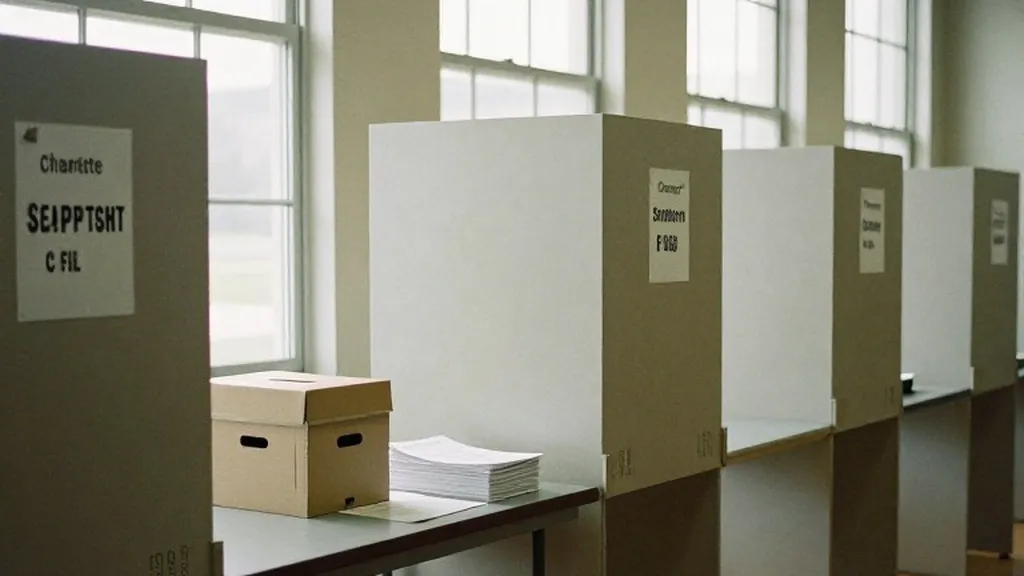
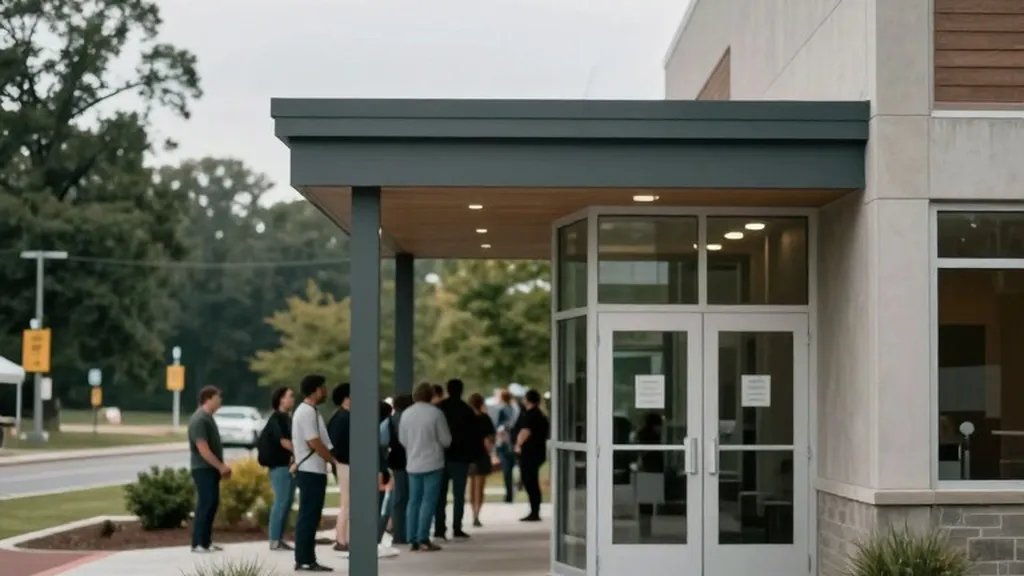
Polls open at 6:30 a.m. on Tuesday, November 3, 2026, for voters across Mecklenburg County. According to Ballotpedia, the polls will remain open until 7:30 p.m. local time. Anyone in line when the polls close is entitled to cast a ballot. Voters in the county's incorporated towns, including Charlotte, Concord, Gastonia, Huntersville, Kannapolis, and Indian Trail, can locate their specific polling place using the federal resource vote.gov. The county is part of a state where every seat in the U.S. House of Representatives is on the ballot this year.
The most prominent federal race for North Carolina voters is the U.S. Senate contest, which is an open seat because Senator Thom Tillis is retiring. The Associated Press reports that the race pits Democratic former Governor Roy Cooper against former Republican National Committee chair Michael Whatley. Ballotpedia notes that North Carolina is one of six states using new congressional maps following mid-decade redistricting. The state's presidential margin in 2024 was a Trump win by 3.3 points, a figure that often influences the competitiveness of Senate races. Voters will also choose between candidates from the Democratic, Green, Libertarian, and Republican parties for this federal office.
Local and state matters are equally significant on the ballot for Mecklenburg County residents. Ballotpedia lists elections for the State Senate, State House, State Supreme Court, and intermediate appellate courts. Voters in the county will also decide on school board and municipal government positions. Additionally, there are local ballot measures and school board elections that vary by county. These local contests allow residents to influence decisions on zoning, education funding, and public safety within their specific communities, from the urban center of Charlotte to the suburban growth areas in Huntersville and Indian Trail.
Three constitutional amendments are on the statewide ballot for North Carolina voters. The first is the Property Tax Levy Limit Amendment, which would require the state legislature to pass laws limiting the amount that property taxes may increase. The second is the Reduce Income Tax Rate Cap from 7% to 3.5% Amendment, which aims to lower the maximum allowable income tax rate. The third is the Require Voter Identification Amendment, which would mandate photographic identification for all voters, not just those voting in person. These measures reflect broader national debates on taxation and election administration that are prominent in the 2026 midterm elections.
North Carolina is one of 35 states holding U.S. Senate elections this year. According to Ballotpedia, 33 of these are regular elections, with the rest being special elections for terms vacated by other officials. The state has no governor election in 2026, meaning the current governor will remain in office while voters focus on the legislative and federal branches. The Associated Press describes the national election as a referendum on the second term of President Donald Trump, with many voters expressing frustration over high prices and economic conditions. In North Carolina, the race for the Senate is considered a battleground, with various political ratings suggesting a close contest.
Voters in Mecklenburg County are part of a larger national turnout that has already surpassed early voting numbers from four years ago in many states. The Associated Press reports that more than 57 million people had already voted as of Monday, November 2. This high level of early participation suggests that in-person voting on Election Day will be a crucial component of the final tally. In Mecklenburg County, where population growth has been significant, local election officials have prepared for high volume at polling locations. The U.S. Postal Service has also added hours and staff to ensure that mail-in ballots, if applicable, are counted on time, although North Carolina primarily relies on in-person and early voting methods.
The national context of the election includes a fight for control of the U.S. House of Representatives, where all 435 seats are up for grabs. Democrats currently hold 214 seats, while Republicans hold 218. To gain a majority in the House, Democrats need a net gain of three districts. In the U.S. Senate, Republicans hold 53 seats and Democrats hold 45, with two independents who caucus with Democrats. Democrats need a net gain of four seats to take control of the Senate. The outcome of these races will determine the balance of power in Congress for the final two years of the current presidential term. The Associated Press notes that one or two seats could tip the balance in either chamber.
Mecklenburg County voters are also weighing the impact of redistricting on their local House races. The new maps in North Carolina have altered district boundaries, which can change the political dynamics of local elections. The Associated Press reports that new districts in Florida and other redistricted states may not vote as originally drawn, a concern that applies to North Carolina as well. Voters in the county will be electing their U.S. House representatives based on these new lines. The race for the Senate is also affected by the state's political history, with the 2024 presidential margin serving as a baseline for analysts. The Associated Press notes that the race is between Roy Cooper and Michael Whatley, with the retirement of Thom Tillis creating an open seat that draws candidates from both parties.
Voters should arrive prepared with the identification required by their specific polling place, as ID rules can vary. While North Carolina has a specific amendment on the ballot regarding voter ID, current rules for in-person voting must be followed for the 2026 election. The state election office and vote.gov provide the most up-to-date information on acceptable forms of identification. Voters in Mecklenburg County should check these resources before heading to the polls to avoid any delays. The polls will be open for 13 hours, from 6:30 a.m. to 7:30 p.m., allowing for both morning and evening voting. The county's diverse population, from the historic districts of Charlotte to the newer communities in Kannapolis, ensures a wide range of perspectives in the voting process.