Mecklenburg Voters Decide NC House Seats as National Midterm Stakes Rise
Mecklenburg County voters decide the state's congressional delegation and key tax measures as the nation fights for control of Congress in a highly contested midterm.
By Ryan Carter ·
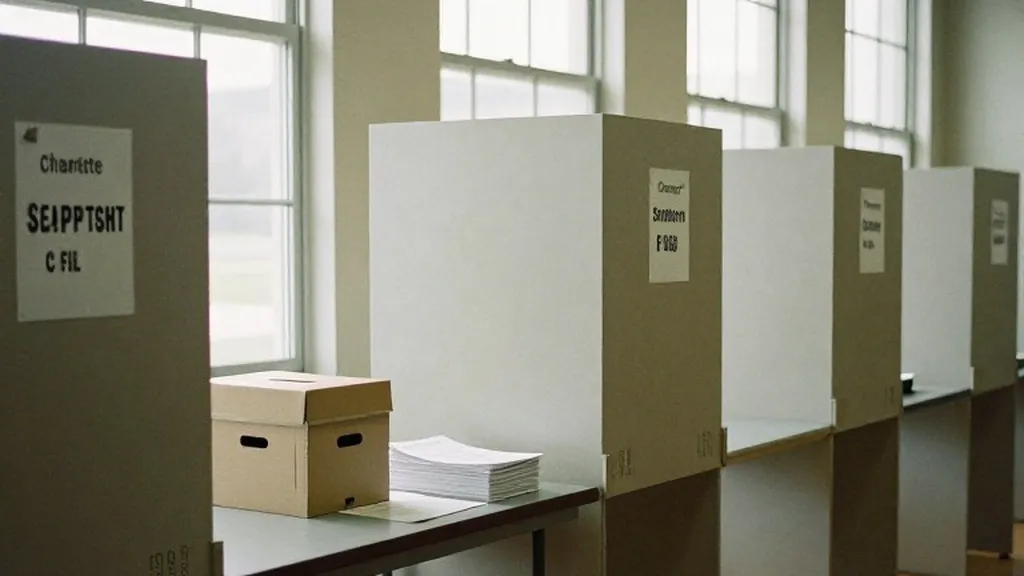
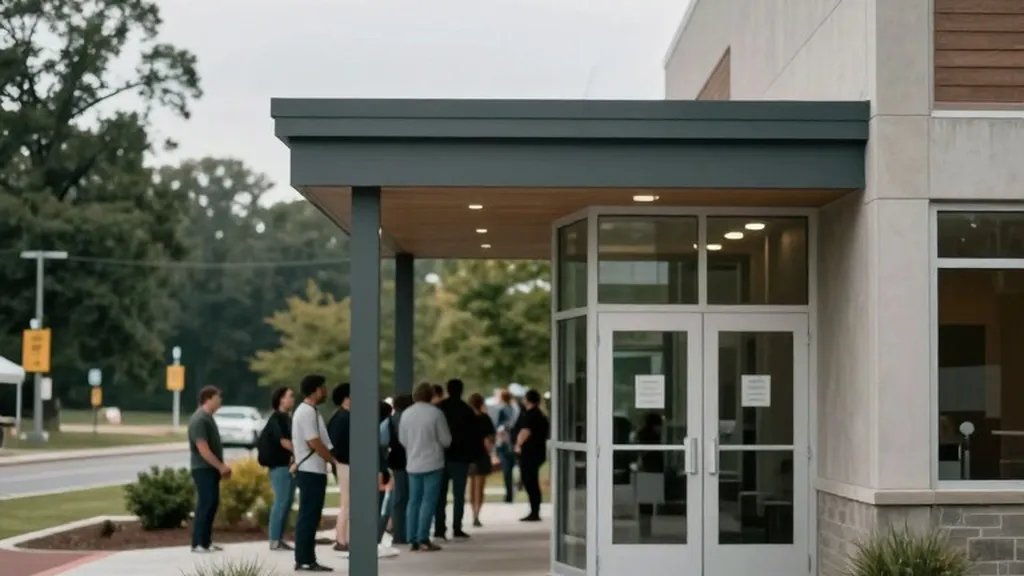
Mecklenburg County voters began casting their ballots at 6:30 a.m. on Tuesday, with polls remaining open until 7:30 p.m. According to Ballotpedia, residents in Charlotte, Concord, Gastonia, Huntersville, Kannapolis, and Indian Trail are selecting candidates for every U.S. House district in the state. The county also holds elections for state and local offices, including school boards and municipal positions, alongside statewide ballot measures. Voters can find their specific polling locations at vote.gov, and anyone in line when polls close is entitled to vote. The day marks the midterm election, a critical checkpoint halfway through President Donald Trump's second term.
The primary federal decision for North Carolina voters involves the U.S. Senate, where the seat is open because incumbent Thom Tillis is not running again. Ballotpedia confirms that Democrats, Republicans, Greens, and Libertarians all have candidates on the ballot. The Associated Press notes that this race has become a national focal point, with Democratic former Governor Roy Cooper challenging former Republican National Committee Chair Michael Whatley. The state's presidential margin in 2024 favored Trump by 3.3 percentage points, placing the contest in a competitive category according to major ratings services.
North Carolina is one of seven states using new congressional maps for this election, a change driven by mid-decade redistricting. Alongside California, Florida, Missouri, Tennessee, Texas, and Ohio, these new district lines may alter the political dynamics for the 435 House seats up for grabs. Ballotpedia identifies 46 battleground districts nationwide, with 21 currently held by Democrats and 25 by Republicans. In North Carolina, every House seat is on the ballot, meaning the entire delegation is being decided by voters in the county and across the state today.
Voters in Mecklenburg County are also weighing three significant statewide constitutional amendments. One measure would require the legislature to limit property tax increases. Another seeks to reduce the maximum income tax rate from 7 percent to 3.5 percent. A third amendment would mandate photographic identification for all voters, not just those voting in person. These measures reflect broader national debates on fiscal policy and election administration, issues that the Associated Press describes as central to the mood of this midterm cycle.
Nationally, the control of the U.S. House hangs in the balance with all 435 seats in play. Republicans currently hold 218 seats, while Democrats hold 214, with one independent and vacancies remaining. Democrats need a net gain of three districts to secure a majority, whereas Republicans can afford to lose no more than two. The Associated Press reports that 60 House incumbents have not run again, with 37 Republicans and 23 Democrats stepping aside. This high turnover has intensified competition in the 46 districts identified by Ballotpedia as battlegrounds.
The U.S. Senate race involves 35 of the 100 seats, including 33 regular elections and two special elections for the remainder of terms held by Marco Rubio and JD Vance. Republicans hold 53 seats, while Democrats hold 45, plus two independents who caucus with Democrats. Democrats need a net gain of four seats to take the chamber, a hurdle that the Associated Press notes is challenging given the current partisan split. Eleven senators are not running again, including seven Republicans and four Democrats, which has opened up competitive races in states like Iowa, Michigan, and Montana.
Governor races in 36 states are part of the broader midterm landscape, though North Carolina does not have a governor election this year. Republicans hold 26 governorships and Democrats 24. The Associated Press highlights that 19 of these races have no incumbent on the ballot due to term limits or voluntary retirements. Democrats are attempting to secure a majority of governorships for the first time in two decades, a goal that depends on performance in competitive states such as Georgia, Nevada, and Ohio.
Public sentiment heading into the vote is shaped by economic concerns, with the Associated Press describing the election as a referendum on Trump's second term. AP-NORC polling indicates that 35 percent of U.S. adults approve of Trump's job performance, while about 7 in 10 say the country is heading in the wrong direction. Many voters blame the president for high prices, a sentiment echoed by local voters like James Moore, a librarian in Raleigh, who cited increased costs for taxes and healthcare. More than 57 million people had already voted as of Monday, surpassing early vote totals from four years ago in many states.
The Associated Press notes that Republicans were bracing to lose the House while fighting to hold the Senate, with one or two seats potentially tipping either chamber. Democratic leadership has expressed cautious optimism, with DCCC Chair Rep. Suzan DelBene stating that the American people want change. In contrast, RNC Chairman Joe Gruters emphasized the importance of turnout, saying that if Republicans turn out their voters, they will win. These statements frame the strategic approaches of both parties as polls open across the country.
Legal and administrative issues continue to influence the election process, with a federal judge temporarily barring the Trump administration from implementing a plan to prevent noncitizen voting. Critics argue this risks disenfranchising eligible voters, while the administration sues in states like Alaska and California. The U.S. Postal Service has added hours and staff to ensure mail ballots are counted on time. Wall Street is also watching the results closely, as Reuters notes that the outcome could impact investor concerns regarding AI spending and debt ceiling negotiations.
The day concludes with polls closing at 7:30 p.m. in North Carolina, where the final count will determine the state's representation in Congress and the outcome of key ballot measures. Voters in Mecklenburg County have had the chance to weigh in on local and state issues alongside the national fight for control of Congress. The results of this election will shape the political landscape for the next two years, influencing investigations, legislation, and the path for potential 2028 candidates.