Wild bees guide plant choices for Klamath River restoration
Biologists are using pollen data from solitary bees to determine which invasive weeds to keep and which native plants to add in restored reservoir areas.
By Nathan Reed ·
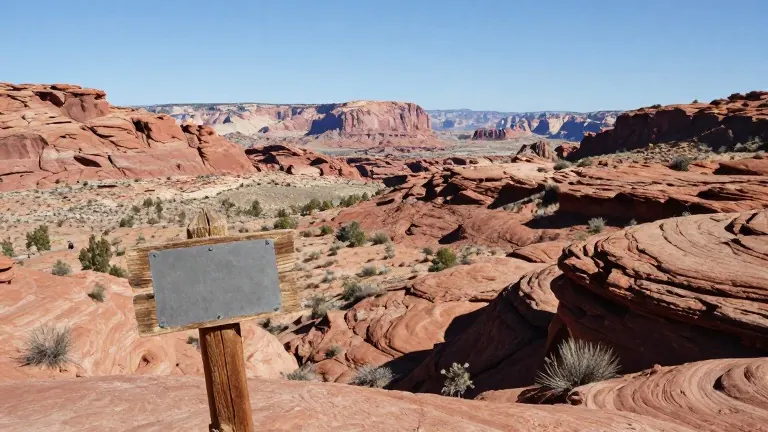
Restoration crews along the Klamath River are relying on wild bees to tell them what is working and what is missing in the new wetlands. The insects provide a direct measure of which plants are blooming and which ones are being visited by pollinators.
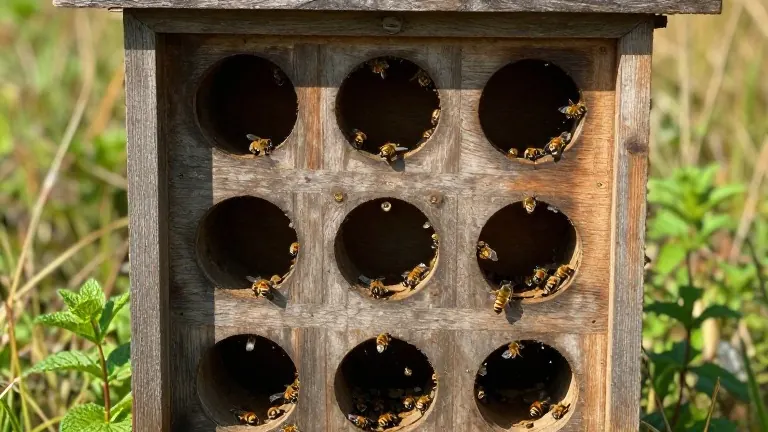
RES, the company restoring three former reservoirs in Northern California and Southern Oregon, installed six monitoring units called BeeOtels in the drained basins. These wooden boxes contain clear tubes that mimic the small cavities where solitary bees nest. The first of these units were placed in the summer of 2025. The specific site near the former Iron Gate dam is in a spring-fed area known as Long Gulch.
Brissa Garcia, a wildlife biologist for RES, checks the hotels weekly during the field season. She collects tubes containing crushed leaves, pollen, and bee eggs for laboratory analysis. Jenny Wallgren, the regulatory manager for the Lower Klamath Project at RES, explained that the team monitors solitary and cavity-nesting bees. These insects do not build hives but use single small spaces for nesting.
The pollen data helps the team identify pollinator species and track how those populations change year to year. It also reveals which plant species the bees are visiting and what materials they use for their nests. BeeOdiversity, a Belgium-based partner, analyzes the samples. David Strelneck, the North American coordinator for the company, noted that bees collect millions of environmental samples daily. This allows for detailed data across several miles of restored land.
Pollen analysis has already changed management practices. At Lakeside Farms, another restoration site near Klamath Lake, bee data showed that an herbicide used to control yellow flag iris was affecting the bees. Managers changed how they applied the chemical. A year later, the incidence of that chemical in bee samples dropped significantly. In the same area, the number of plant species increased 93% over the first three and a half years of the project.
The data has revealed unexpected challenges at Long Gulch. Wallgren said that toward the end of last season, native bees were largely visiting star thistle. This invasive weed is a high priority target for removal. The team realized they needed to replace the thistle with native plants before removing it to keep pollinators fed. RES crews continued planting through the fall to address this gap.
Lincoln Best, a taxonomist for the Oregon Bee Atlas at OSU Extension Service, supports these efforts with data from citizen scientists. Last year, volunteers documented 34,000 bees on 4,600 plants across Oregon. This information is available on the Melittoflora website. Restorationists can use it to select plants that support specific local bee species.
The Klamath region is home to diverse native wild bees, including specialists that rely on a single flower species. Best noted that the presence of these rare bees validates the success of restoration projects. It indicates that the habitat is supporting the more common and widespread bees as well.