Clark County Students Debate AI and Democracy: 700 High Schoolers Join Las Vegas Sun Youth Forum
Approximately 700 juniors and seniors from Clark County schools convened on Election Day to discuss Flock cameras, the future of the Republican Party, and universal human experiences.
By Ryan Carter ·
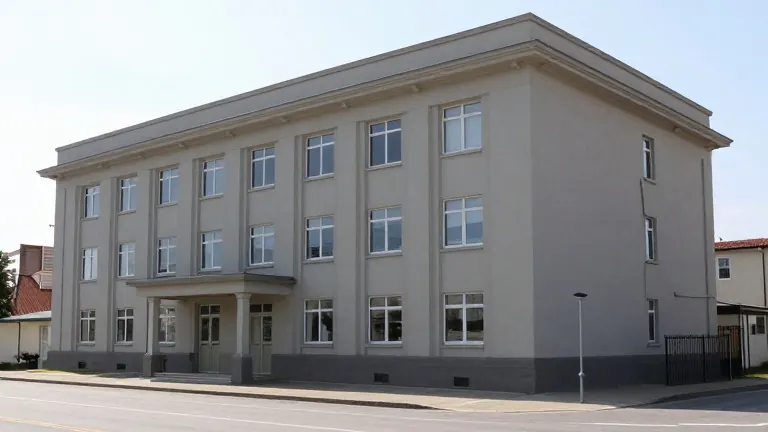
Approximately 700 high school juniors and seniors from the Clark County School District gathered at Cimarron-Memorial High School on Tuesday to participate in the Las Vegas Sun Youth Forum. The event took place on the same day as the national midterm elections, creating a direct parallel between the students' civic engagement and the voting adults around them.
The forum, which has operated annually since 1956 with cancellations only in 2020 and 2021 due to the pandemic, divides participants into small, diverse groups. These groups engage in active listening and constructive debate on complex topics typically reserved for adult discourse. The sessions covered immigration reform, opioid addiction, the future of the Republican Party, and artificial intelligence.
Brian Greenspun, editor and publisher of the Sun, addressed the students before announcing scholarship awards totaling $32,000. He noted that while most attendees were too young to cast ballots, their participation in analyzing high-stakes issues constituted a form of democratic engagement. Greenspun told the group that their current exercises in deliberation would prepare them to make informed decisions when they assume leadership roles in five or ten years.
The forum originated from an idea shared by Hank Greenspun, the Sun's founding editor, his assistant Ruthe Deskin, and Clark County School District administrator Harvey Dondero. The concept was considered revolutionary for its time, based on the premise that students should be heard rather than merely observed. One student from each debate room was selected to present the discussion's highlights to the wider community, with some participants writing columns for the Sun or being interviewed on UNLV-TV or KUNV radio.
In one breakout session, students debated the lack of age-appropriate activities in Las Vegas. Joey Morehouse, a student at Southwest Career and Technical Academy, noted that while local youth have communities, they lack physical spaces. Morehouse, who is involved in the punk hardcore and straightedge scenes, described a shortage of safe, alcohol-free venues for listening to independent music. He observed that such spaces have been pushed to the valley's less desirable corners due to violence concerns, limiting opportunities for musicians under 21 to perform on streets like Fremont.
Another group focused on privacy and surveillance, specifically the Flock camera system. Frankie Catanzaro, a student at Coronado High School, compared the automated license plate readers to the telescreens in George Orwell's novel 1984. Catanzaro argued that while the cameras do not read minds to prevent thought crimes, they still infringe on privacy by tracking more than just license plates.
A separate discussion addressed the 2028 presidential election, focusing on who might lead the Republican Party after President Donald Trump becomes ineligible for another term. This conversation occurred while Democrats secured majorities in both chambers of Congress in the recent Nevada and national midterms. Most participants favored Vice President JD Vance or Secretary of State Marco Rubio as potential candidates. Edward Longbardi, a student at Desert Oasis High School, expressed skepticism, stating that the party has not yet identified its leader and that this unknown candidate is necessary if the Republicans intend to win.
The event concluded with a rapid-fire round on universal human experiences. Students cited death, grief, joy, fear, and the need for connection as common to all. Opinions diverged on whether hate or love is the more universal emotion. One student argued that hate requires a prior experience of love, a point that encapsulated the varied perspectives shared throughout the day.