70 Mining Claims Filed on Bears Ears Land After 90% Reduction
A federal judge has revived lawsuits challenging the Trump administration's shrinking of the monument, while conservation groups dispute the validity of recent extraction filings.
By Yasmin Farouk ·
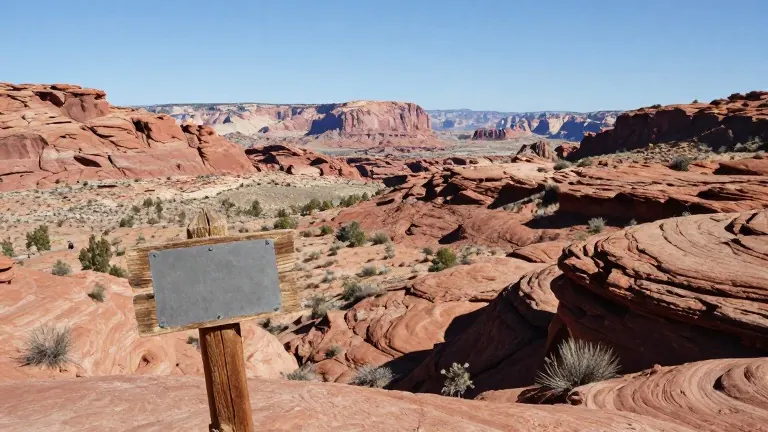
The Trump administration reduced Bears Ears National Monument in southeastern Utah by more than 90% on July 13, 2026, leaving roughly 1.2 million acres of formerly protected land with an uncertain status.
The proclamation cut the monument’s size from approximately 1.36 million acres to about 121,000 acres. Since September, multiple companies have filed more than 70 mining claims on the land removed from the monument’s boundaries.
On October 13, U.S. District Judge Tanya Chutkan lifted stays on lawsuits challenging the administration's authority to shrink the monument. The legal action was initially filed on September 2 by conservation groups and tribal nations. Plaintiffs include Earthjustice, the Southern Utah Wilderness Alliance, the Natural Resources Defense Council, the Native American Rights Fund, and a group that includes Patagonia.
At a status conference on October 15, Judge Chutkan directed the parties to establish a briefing schedule. The judge also required the government to provide plaintiffs with 48 hours’ advance notice of any surface-disturbing activities on the excluded lands, according to the Southern Utah Wilderness Alliance.
Heidi McIntosh, managing attorney of Earthjustice’s Rocky Mountain office in Denver, argued that the president’s actions violate the 1906 Antiquities Act. She stated that the statute allows the president to designate monuments and protect surrounding lands, but does not grant the authority to revoke them. That authority, she said, remains with Congress.
Grant Stevens, communications director for the Southern Utah Wilderness Alliance, noted that federal agencies began removing entrance signs from the monument shortly after the reduction. Some signs displayed the seals of the five tribes that composed the Bears Ears Commission. Stevens said the removal signaled an effort to erase tribal presence from the area.
Jessica Wiarda, a Hopi tribal member and advocate for the monument, said the removal of the seals impacted the mood in San Juan County. She described the reaction of tribal members who felt the administration was erasing their historical connection to the site. Wiarda said the monument contains kivas and rock art that are central to tribal history, even for those who do not live within its boundaries.
Conservation groups say some mining claims were filed before September 11, the date when companies and individuals were permitted to stake claims under the new proclamation. McIntosh said groups have also seen interest in oil and gas drilling in the area. She warned that the rollback could lead to looting of archaeological sites, a risk that existed before the land was protected in 2016.