Khartoum returnees face empty homes and rising rent costs
Over 5 million displaced Sudanese have returned home since the war began, but infrastructure damage and economic instability make rebuilding difficult.
By Nathan Reed ·
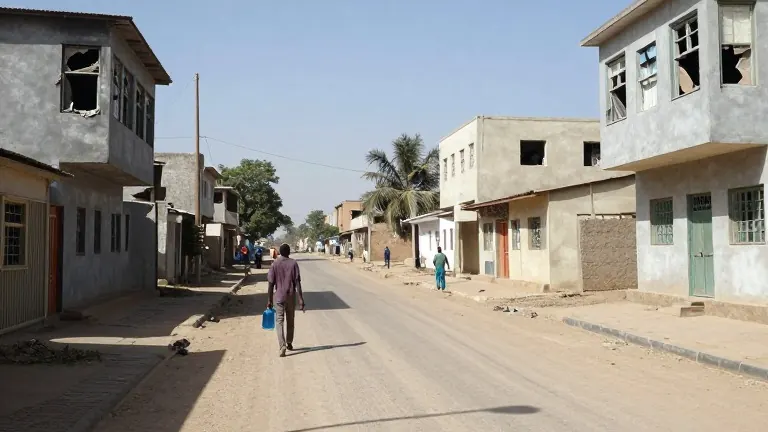
Millions of Sudanese residents are returning to their homes in Khartoum after years of displacement, but they are arriving to find infrastructure broken and daily costs rising. The International Organization for Migration reported that approximately 5.27 million displaced people returned to their homes in nine states as of September 30. Of that total, 82 percent were internally displaced and 18 percent had previously crossed national borders. Children made up about half of all returnees.
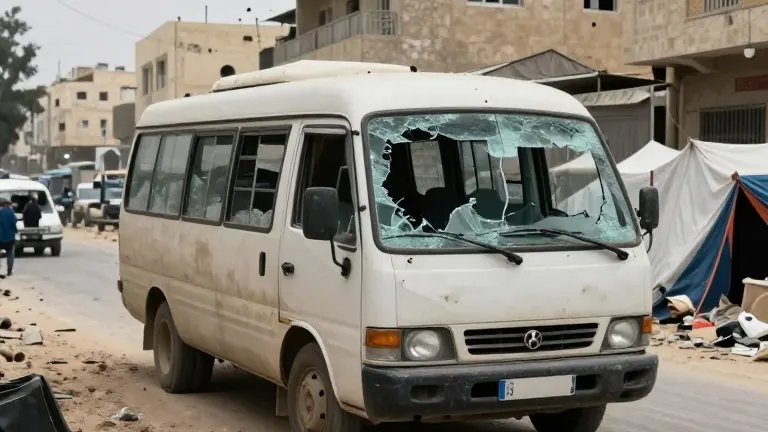
The United Nations High Commissioner for Refugees stated in an August 2026 assessment that roughly 2.5 million people had returned to Khartoum state. The agency noted that returning home did not guarantee the conditions necessary to rebuild lives. Many families found their homes damaged or uninhabitable, while work opportunities remained limited. Access to water and basic services was often inadequate because of damage to infrastructure during the conflict.
Mohamed Mahdi Makki Farah, 51, returned to his home in Jabal Awliya in August 2025. He had fled to el-Fasher in North Darfur in June 2023. Upon his return, he found his house destroyed and ransacked, with even household utensils stolen. Makki Farah said the family now sleeps on the floor or lives in rented houses. He explained that they have not started repairs because the costs are too high and they have been unable to secure the funds. His business capital has shrunk to almost a third of its pre-war value due to the depreciation of the Sudanese pound.
Abubakr Ishaq Hamed Ibrahim, 40, returned to Khartoum in February 2026 after being displaced to River Nile state since May 2023. He found his home looted and destroyed, with no furniture or bedding remaining. The family moved to the al-Thawra neighbourhood in Omdurman, which borders Khartoum, to rent a home. Hamed Ibrahim said they were unable to pay rent for several months and now rely on casual work to cover food, housing, and school fees. The family has exhausted its savings and borrowed money from relatives to meet basic needs.
Infrastructure problems complicate life for these returnees. Makki Farah noted that Khartoum is almost entirely in darkness and that only government health centres are operating. Fuel shortages and repeated power cuts have disrupted public transport in recent weeks. Bus fares have increased on some routes, and commuters often wait hours for service. Long queues form outside bakeries in some areas due to flour shortages.
Khartoum state authorities announced measures to address the transport crisis on Saturday. Governor Ahmed Osman Hamza chaired a meeting that agreed to supply public transport services with fuel and give buses priority on the roads. Government departments were instructed to provide lifts for residents traveling to and from work. Members of the Popular Resistance of Sudan, a coalition of SAF-aligned armed factions, assist in managing traffic in the capital.
Economic journalist Khalid Takes argued that the transport crisis shows the state needs to manage the sector more directly rather than relying on private minibuses. He said no country leaves the public transport sector entirely to the private sector, which depends on small vehicles. This reliance results in ongoing costs for the state, including imports of spare parts and fuel that require foreign currency. Makki Farah said his family needs assistance with housing, healthcare, and education because everything they had before the war has been destroyed.
Source: Al Jazeera