Supreme Court to Decide If Federal Officers Can Be Sued for Rights Violations
Arguments begin Monday in a case that could end the ability of citizens to seek financial damages from federal law enforcement for constitutional abuses.
By Natalie Cooper ·
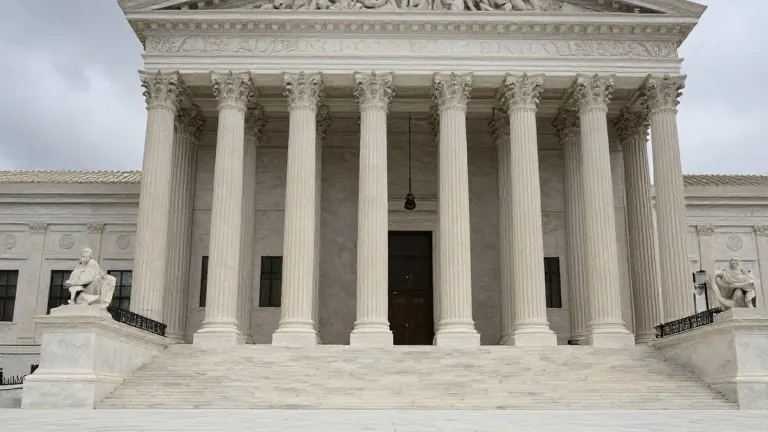
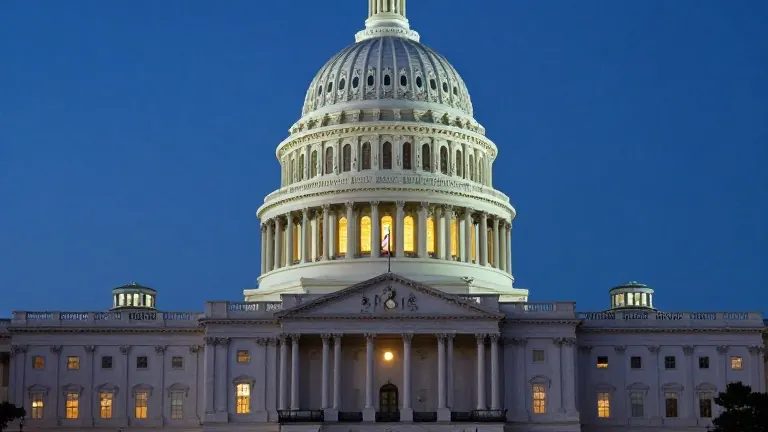
The Supreme Court hears arguments Monday on whether federal law enforcement officers can be held financially liable for violating constitutional rights.
The case stems from a 2021 incident in a federal prison in Hawaii where Kekai Watanabe was beaten with a makeshift weapon during a gang riot. Watanabe, now 40, complained of severe back pain but was dismissed by a nurse who told him to stop being a cry baby. Seven months later, doctors diagnosed a fractured tailbone. Watanabe sued the nurse for violating his Eighth Amendment protection against cruel and unusual punishment.
The legal dispute centers on the 1971 Supreme Court decision known as Bivens, which established the right to sue federal officers for wrongdoing. Lawyers for the nurse argue that Watanabe survived the attack, a fact they claim distinguishes his case from the 1980 precedent that allowed such suits. They contend this difference is enough to dismiss his claim. Steve Vladeck, a Georgetown law professor who filed a friend of the court brief, stated that the core issue is whether the country will hold federal officers accountable for clearly established rights violations.
Plaintiffs face high hurdles in these lawsuits because courts require the facts to match earlier precedent exactly. Mary Hampton Mason, a former Justice Department official who spent nearly 35 years evaluating such claims, argued that the Bivens precedent has been hollowed out. She noted that in the last 20 years, only one Bivens case resulted in a judgment for the plaintiff that was not reversed on appeal, despite thousands of filings. Mason suggested the court should overrule the precedent entirely because it offers false hope to plaintiffs.
Supporters of the prisoner argue that the low number of final judgments ignores settlements and the deterrent effect of potential lawsuits. Gregory Cui, an attorney at the MacArthur Justice Center, explained that damages are essential for victims to pay for medical care or rebuild their lives. Cui’s brief reported that the internal grievance process in federal prisons fails in 99% of cases where inmates seek changes like medical care or better conditions. He argued that personal financial exposure forces officers to think twice before breaking the law.
Legal experts note the court selected this case during a period of rising accusations against federal immigration agents. Claims that officers have beaten and run over migrants have drawn national attention. Vladeck warned that a world without Bivens would grant federal law enforcement officers absolute immunity. He stated that in such a system, no one could hold officers liable no matter how egregious their conduct. He described this prospect as terrifying, particularly in the current political climate.
Both sides agree that Congress has the authority to create a clear path for suing federal officers. However, lawmakers have not advanced legislation to establish such a path. The decision in this case will determine if the current Bivens doctrine remains intact or if the court will further limit or end the right to sue federal agents for constitutional violations.
More Politics · National news · Report a business · Got a Story?