North Carolina Senate race and House seats decided as Democrats seize Congress
The open U.S. Senate seat in North Carolina is filled, and every House district in the state has a winner, setting the stage for a new balance of power in Washington.
By Ryan Carter ·
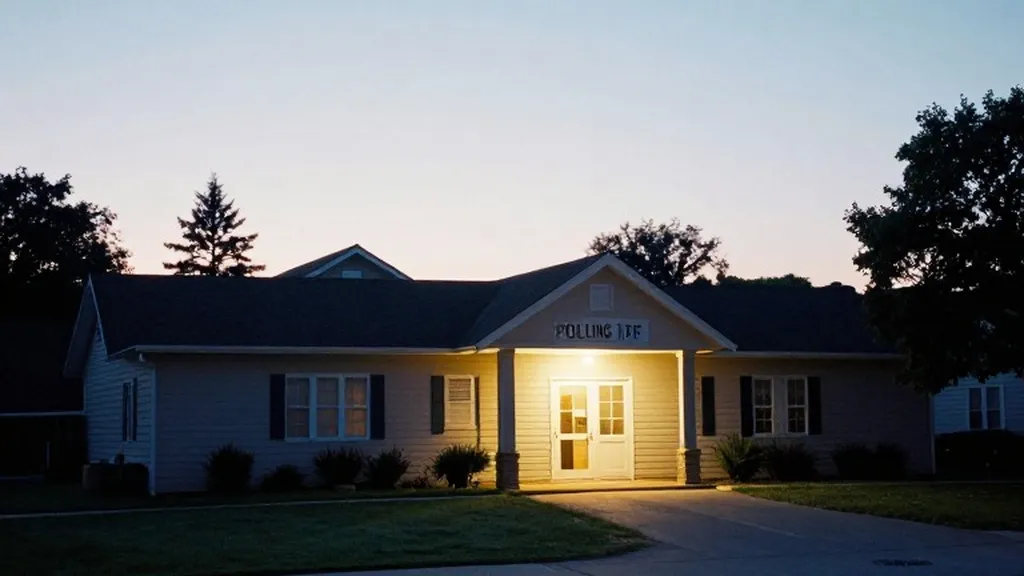
The 2026 midterm elections have concluded in North Carolina, with results now in for the state's open U.S. Senate seat and all congressional House districts. Polls across Mecklenburg County were open from 6:30 a.m. to 7:30 p.m. on Tuesday, allowing residents of Charlotte, Concord, Gastonia, Huntersville, Kannapolis, and Indian Trail to cast ballots for federal and state offices. The state did not hold a gubernatorial election this year, but voters decided on the state legislature, the state supreme court, and intermediate appellate courts. Ballotpedia confirms that the general election took place on November 3, 2026, and the results page was last updated at 4:00 p.m. ET on November 6, 2026.
In the national picture, the Democratic Party has secured healthy majorities in both the House and the Senate, a significant shift from the previous Congress. This victory allows Democrats to take control of the legislative agenda for the next two years. The party's leadership, including new House leader Hakeem Jeffries of New York, has indicated that they will pursue aggressive investigations into the executive branch. Jeffries, who is poised to become the first Black House speaker, stated that the days of Democrats not fighting back are over. He emphasized that the party is committed to forcefully pushing back against what he described as extremism from the administration.
President Donald Trump and his Department of Justice have taken a combative stance toward the new congressional majority. On social media, Trump declared that investigative requests made by Democrats are extortion at the highest level. Attorney General Todd Blanche echoed this sentiment, suggesting that criminal investigations of Democrats are possible. He stated that the president is worried about members of the administration and companies being threatened. This rhetoric sets up a potential showdown that will define the president's remaining time in office and test the power of Congress to provide checks and balances.
Rep. Robert Garcia of California, who is expected to chair the House Oversight Committee, is preparing investigations into what he calls the Trump crime family. He expressed that Democrats will not be intimidated by the administration's response. The AP Voter Poll, which surveyed more than 100,000 midterm voters, found that about seven in 10 voters nationally say Congress is not doing enough to provide checks and balances on the presidency. This public sentiment appears to have fueled the mandate for the new Democratic leadership to act decisively on oversight issues.
However, tensions exist within the Democratic ranks regarding the balance between investigations and delivering on campaign promises. Sen. Bernie Sanders of Vermont warned that the party cannot spend all of its time investigating the president. He emphasized the need to stand up for working-class families and make a real difference in their lives. Similarly, Sen.-elect Adam Hamilton of Kansas, the first Democrat elected to the Senate from that state in 94 years, expressed skepticism about impeachment. He stated that his campaign was about bringing people together and that he does not want the next two years to be spent dividing the country further.
In North Carolina, the specific outcomes for the U.S. House seats will determine the state's representation in the new Congress. Every House seat in the state was on the ballot, and the results will contribute to the overall majority. The state's political landscape is often a bellwether for national trends, and the performance of candidates in Mecklenburg County and other key districts will be closely analyzed by strategists. The county's diverse electorate, spanning from the urban core of Charlotte to the suburban growth areas of Huntersville and Indian Trail, played a crucial role in determining the final margins in several races.
The state's judiciary also saw significant elections, with the state supreme court and intermediate appellate courts on the ballot. These seats are critical for shaping the legal framework in which North Carolina businesses and residents operate. The results for these judicial races, along with the state legislature, will influence local policies and state-level initiatives. The election of new judges and legislators marks a fresh start for the state's legal and political institutions, with new perspectives likely to emerge in the coming months.
Nationally, the election brought a wave of historic firsts, including the first Native American woman elected to the Senate and the first woman president of the Navajo Nation. Peggy Flanagan of Minnesota became the first Native American woman elected to the Senate, while Crystalyne Curley was elected the first woman president of the Navajo Nation. These milestones highlight a broader trend of increased diversity in political leadership. The AP Voter Poll also indicated that about six in 10 voters said the administration's actions on immigration enforcement had gone too far, a sentiment that likely influenced the outcome of many competitive races.
The new Congress will face the challenge of passing legislation in a divided government. While Democrats control both chambers, they will need to work with the White House to pass bills that require presidential sign-off. The potential for conflict over investigations and policy priorities remains high. The AP Voter Poll suggests that voters expect Congress to act as a check on the presidency, and the new leadership has made clear that they intend to fulfill that expectation. The coming months will test the ability of both parties to work together on issues that affect the daily lives of Americans, from the cost of living to national security.
For residents of Mecklenburg County, the results mean a new set of representatives in Washington and a renewed focus on state-level governance. The county's towns will continue to grow and evolve, and the policies set by the new Congress and state legislature will impact local infrastructure, education, and economic development. The election results are now final, and the transition of power is underway. The new members of Congress and state officials will be sworn in in the coming months, ready to begin their terms and address the issues that drove voters to the polls.