Investors question neocloud debt
Shares in firms like CoreWeave and Nebius fell sharply after major tech companies signaled slower AI spending growth.
By Natalie Cooper ·
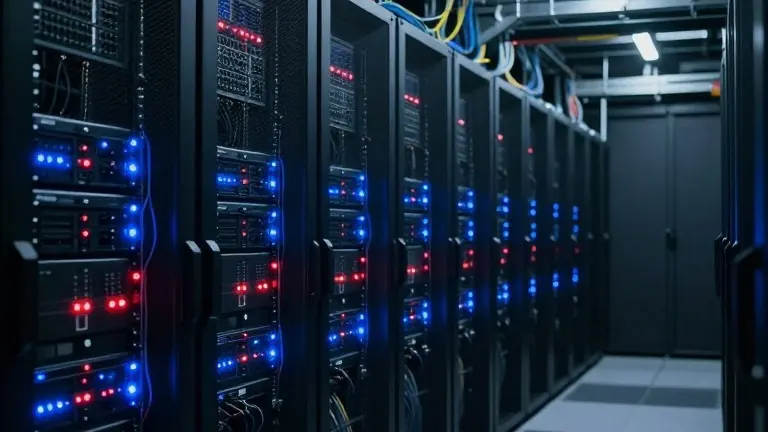
CoreWeave, Nebius, and other neocloud providers are facing a wave of investor skepticism as stock prices plunge and debt costs rise. These data center companies lease high-performance computing hardware to major AI developers, including Anthropic, OpenAI, and Meta. The sector has become a focal point for debate over the financial stability of the artificial intelligence economy. Some investors now question whether these firms can sustain their rapid expansion.
Analysts predict a shakeout in the industry. Gartner expects 80% of neocloud firms to cease independent operations by 2030. Forrester anticipates that at least three firms will be acquired soon as their finances deteriorate. Treasury Secretary Scott Bessent attempted to calm markets on Thursday. He described neoclouds as a small, external component of the broader ecosystem in comments to CNBC.
The business model relies heavily on borrowing. Neocloud firms sign long-term lease contracts with large tech customers to secure upfront capital. They then use these contracts and the purchased AI chips as collateral to take out loans. Analyst Cory Johnson of The Quiet Period noted that hardware costs require immediate payment. Lenders often assess the creditworthiness of the tech giants backing these deals rather than the neocloud firms themselves. This dynamic helped CoreWeave accumulate $35.1 billion in debt.
Market reactions have been severe. CoreWeave stock lost a quarter of its value over the past month. Shares in Nebius, IREN, and Applied Digital shed similar or greater amounts of value in the same period. Debt investors are demanding higher returns from these companies. CoreWeave CEO Mike Intrator called the market reaction irrational. He expressed confidence in the business model, noting that major companies are queuing for access to the firm's infrastructure.
Many neocloud firms originated in cryptocurrency mining. CoreWeave was founded in 2017 to mine Ethereum. IREN, Core Scientific, and Applied Digital also started in the crypto sector. The infrastructure built for mining proved useful when OpenAI launched ChatGPT in 2022. Nebius is an exception, having split from Russia's Yandex NV in 2024.
The sector's fortunes are tied to major AI developers and hyperscalers. Melissa Otto, head of Visible Alpha Research at S&P Global, described the current spending environment as an arms race. Forrester analyst Charlie Dai warned that the model carries greater financial risk if customers adjust spending plans. When Microsoft and Google forecast lower AI spending than Wall Street expected this week, neocloud shares dropped sharply.
Upcoming public offerings for Anthropic and OpenAI add another layer of risk. Bradley Tusk of Tusk Ventures stated that neocloud firms will face collateral damage if the AI bubble bursts. Elon Musk suggested on social media that more than 200 neoclouds could face consolidation. He predicted that the smallest firms are most vulnerable to what he called guppy-level death.
Recent operational issues have compounded financial concerns. Microsoft canceled a deal with British firm Nscale due to power supply problems that could last until 2030. Australian firm Firmus shelved plans for an initial public offering. These events coincide with public backlash against data centers and questions about AI productivity gains. Analysts at Yorkville Ives noted that demand for computing power still exceeds supply, but the sector faces immediate headwinds.
Cory Johnson said there is reason to worry. The ability to keep borrowing at manageable rates remains a critical challenge for the sector.
Source: Casualty
More Business · Business Watchdog · Report a business · Got a Story?