US clocks fall back Sunday as Senate weighs permanent time change
The 2026 clock change is the last unless Congress acts before year's end to stop the annual shift.
By Natalie Cooper ·
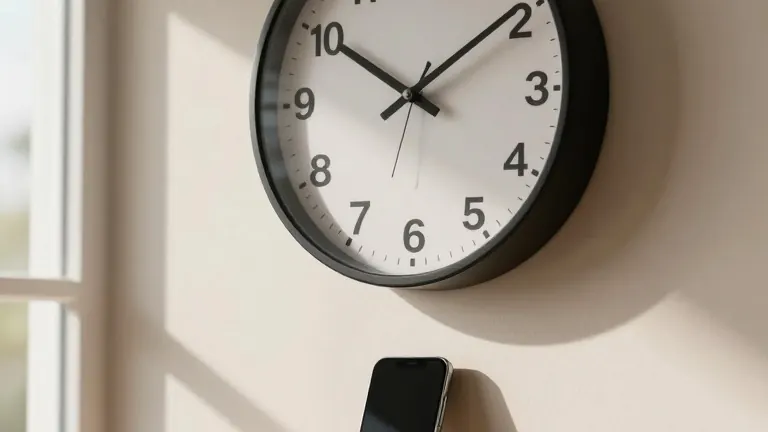
Residents across most of the United States will turn their clocks back one hour on Sunday morning. This action marks the end of daylight saving time for 2026. Many people will perform this ritual for the final time unless Congress passes a new law by December 31.
The Senate must act on the Sunshine Protection Act before House approval expires. The bill passed the House in July with a vote of 308 to 117. If enacted, daylight saving time would become permanent. Under that system, clocks would move forward in March and stay there year-round.
President Donald Trump has publicly backed making daylight saving time permanent. A 2025 AP-NORC poll shows that 56% of Americans prefer permanent daylight saving time. In contrast, 44% favor keeping standard time permanently. Only 12% of respondents support the current system of changing clocks twice a year.
The change would alter daily light patterns in several regions. From early November through March, sunrises and sunsets would occur one hour later than they do now. Sunrise times would remain the same during spring, summer, and early fall. Cities like Indianapolis would see sunrise times later than 9 a.m. around Christmas if the bill becomes law.
Sleep scientists are pushing for a different solution. The American Academy of Sleep Medicine supports the Sunshine for Our Kids Act. That proposal would make standard time permanent instead. It would cause sunrises and sunsets to occur one hour earlier during warmer months.
Most Americans will need to reset their timepieces Sunday. Hawaii, most of Arizona, and U.S. territories are exempt. Electronic devices such as smartphones and computers usually adjust automatically. People with non-digital clocks must change them manually.