Economic Anger Drove Midterm Shift
Rising fuel costs and policy impacts hurt household budgets, contributing to Democratic gains in Tuesday's election.
By Natalie Cooper ·
Voters in Mecklenburg County and across the nation punished Republicans in Tuesday's midterm election largely because of economic frustrations that intensified over the past two years.
President Donald Trump and Republican lawmakers took office in late 2024 with a mandate to repair the economy. By November 2026, public sentiment had shifted sharply against the administration's financial performance. The core issue remains inflation and the rising cost of living, despite a macroeconomic backdrop that many analysts describe as stable.
Unemployment remains low, a condition economists term full employment. Consumer spending has stayed resilient, and the artificial intelligence sector has driven substantial investment growth. However, these high-level metrics did not prevent voters from feeling the pinch of higher prices on essential goods and services.
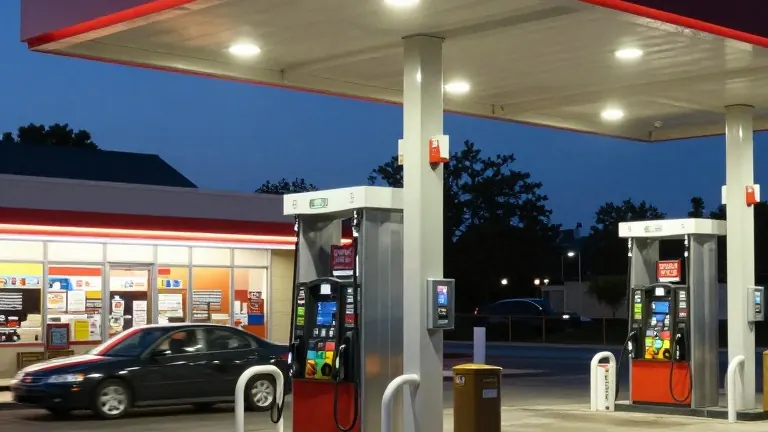
The turning point for many Americans was the war with Iran, which began in early 2026. Heather Long, chief economist at Navy Federal Credit Union, stated that without the conflict, the midterm election outcome would have been very different. The war drove oil prices to four-year highs and diesel costs to record levels. Gas prices reached their highest point for an Election Day on record.
Brown University researchers calculated that high gas and diesel prices added $1,150 in costs for the average U.S. household since the start of the war. These fuel costs increased bond yields, which in turn pushed mortgage rates up at the fastest pace in three years. For the first time in three years, workers' real pay began to shrink as inflation outpaced wage gains starting in March.
Polls showed a stark decline in economic approval for the current administration. An October CNN poll found Trump's net approval on the economy at minus 46 points. This compares to a minus 31 point net approval for President Joe Biden in the final poll before he dropped out of the 2024 race. During Trump's first term, wage gains consistently outpaced inflation, creating a favorable economic memory that did not hold up during his second term.
Beyond fuel, other costs associated with Republican policies rose sharply. The failure to extend Affordable Care Act subsidies in 2025 increased average monthly insurance premiums by 58 percent. Electricity costs jumped 8.7 percent during the current term, a rise linked to the administration's support for unfettered AI growth. Auto repair prices surged 12.3 percent and homebuilding costs rose 13.3 percent, impacts attributed to tariffs and immigration policies.
The Tax Foundation estimated that tariffs added $820 in taxes for the average American household this year. Steven Durlauf, an economist at the University of Chicago, noted that even if the previous administration mismanaged the economy, the current administration bears responsibility for recent inflation management. Voters placed that responsibility squarely on the Republicans who control the White House and Congress.
Structural economic issues also contributed to voter dissatisfaction. The K-shaped economy has left lower-income Americans more vulnerable to price hikes than wealthier households. A shortage of childcare and housing options has made the middle-class ideal harder to achieve, according to Durlauf. The job market remains stable but lacks opportunity, characterized by low hiring and low firing rates.
Heather Long described the current labor environment as a lack-of-opportunity job market. While mass layoffs have not become the norm, unemployed applicants often face a process where their applications yield few results. The combination of rising costs, policy impacts, and a stalled sense of upward mobility defined the economic landscape that drove the midterm results.
Source: CNN · original report published
More News · Charlotte news · Report a business · Got a Story?