Catholic Imagery Dominates Modern Horror Cinema
New book analyzes why filmmakers rely on specific religious symbols and theological concepts to create fear.
By Natalie Cooper ·
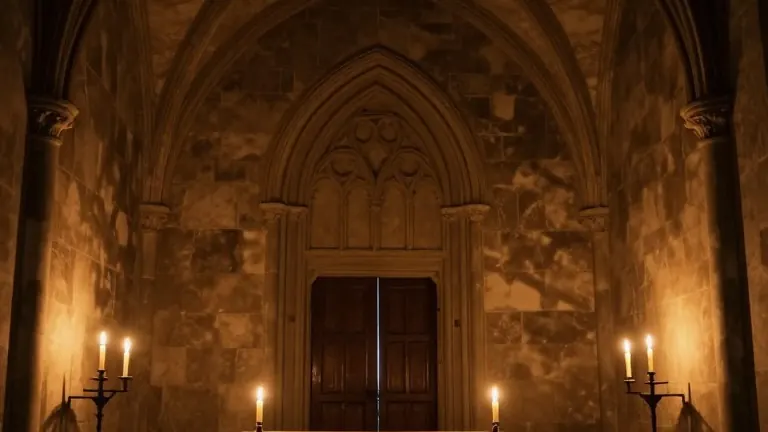
A 2026 book by Matthew Cressler argues that the Catholic Church serves as the primary visual and thematic engine for modern horror films. The work, titled Body and Blood, examines why directors consistently choose Catholic imagery over other Christian denominations when crafting stories about the supernatural. Cressler, a co-author of the text, notes that the white clerical collar against the darkness creates a specific cinematic tension that other faiths do not offer.
The tradition dates back to classics like The Exorcist, The Omen, and Rosemary's Baby. In these films, priests and nuns confront demons, possessed children, or devil-born infants. Cressler points to a specific cultural reflex: when a vampire knocks at the door or a child is possessed, viewers do not expect a Methodist to answer. The visual language of Catholicism, including Gothic churches and mysterious conclaves, provides an immediate sense of dread.
Theology also plays a role in the genre's construction. Cressler explains that Catholic doctrine emphasizes suffering as a way to draw closer to Christ. This concept aligns with the physical pain and endurance required in horror narratives. Aislinn Clarke, a horror director who grew up in a Catholic household, described how she processed these ideas as a child. She recalled a priest holding up a cup and declaring it the blood and body of Christ. Clarke said she viewed the ritual as a form of cannibalism, a thought that prepared her for a career in scary movies.
Filmmakers take these theological roots and intensify them for screen. In the indie horror film Saint Maud, a Catholic nurse recreates the suffering of Christ by lining the soles of her shoes with metal spikes. Cressler argues that Catholic themes appear even in films that are not explicitly about the faith. He cites the practice of venerating the remains of the dead, a concept visible in Psycho, where a mummified corpse sits in a basement. This shows how deep Catholic burial practices run in American popular culture.
Reverend Aaron Williams, a pastor at St. Mary's Basilica in Mississippi, consulted on the 2025 horror film The Ritual. Williams explained the theological basis for exorcism, stating that a priest acts with the authority of Christ through sacramental ordination. While the average Catholic may not perform exorcisms, the church maintains a formal rite for the practice. This heightened authority allows priests in films to save characters from demonic possession.
Some directors use horror to critique the church itself. Aislinn Clarke's 2018 film The Devil's Doorway features bleeding statues and demonic possession. However, Clarke identified the most horrifying scene as a sequence where nuns sing hymns to Christ while ignoring a young woman in labor. The film uses the contrast between sacred song and human suffering to highlight institutional blindness.
Cressler suggests that this heavy reliance on Catholic imagery has shaped public perception of the religion. He notes that a room filled with too many candles, crosses, and statues signals impending danger to movie audiences. This association extends to the concepts of grace and redemption, which horror films use to help characters confront monsters. The genre keeps these religious symbols at the forefront of the American cinematic landscape.
Source: Central Florida Public Media