61,146 Finishers Cross Line as 24-Year-Old Runner Dies
Rachel Apa collapsed two miles from the finish of the New York City Marathon on Sunday; the medical examiner is investigating a rare muscle condition.
By Nathan Reed ·
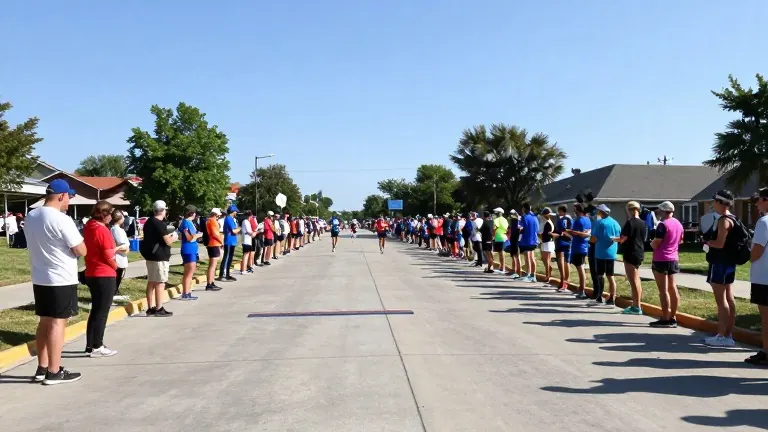
A 24-year-old woman died on Sunday after collapsing two miles before the finish line of the New York City Marathon. Rachel Apa, a resident of Lewisberry, Pennsylvania, was transported to a hospital where she later died. New York police confirmed the death on Monday, and the city medical examiner’s office stated on Tuesday that an investigation into the cause of death is ongoing.
The marathon recorded its largest field in history on Sunday, with 61,146 finishers crossing the goal. Despite the high participation, experts note that fatalities during such events remain statistically rare. Dr. Jonathan Kim, founding director of Emory Sports Cardiology, described the death as extremely tragic, adding that a young woman dying while running a marathon is not a common occurrence.
Apa’s father, Steve Apa, told the New York Times that doctors identified the cause of death as rhabdomyolysis, often referred to as rhabdo. This condition involves the rapid breakdown and death of skeletal muscle, which releases substances into the bloodstream that can poison the body. The condition can damage kidneys, cause life-threatening heart problems, or trigger total organ failure.
When Apa collapsed, a bystander performed cardiopulmonary resuscitation, and race staff applied a defibrillator. Paramedics took her to the hospital, but she did not survive. Dr. Doug Farrell, a nephrologist at Mount Sinai who was not involved in the case, said he has seen cases of rhabdo at the New York City Marathon before, though they are uncommon. In a study published in April, Farrell documented a sharp rise in rhabdo cases during the 2022 race.
In 2022, doctors treated 24 marathoners for rhabdo, compared to the three or four they typically see in the event. Farrell attributed the increase to high heat and humidity, noting that the heat index exceeded 76 degrees, making it the hottest November marathon since the race moved to that month in 1986. He explained that hot and humid conditions reduce the effectiveness of sweating, which is the body’s primary method for dissipating heat generated by muscles during running. Core body temperatures in marathoners can exceed 104 degrees, accelerating muscle breakdown.
On Sunday, temperatures were milder, hovering in the mid-60s. Farrell noted that early symptoms of rhabdo, such as exhaustion, weakness, nausea, and muscle aches, can be mistaken for the normal discomfort of a long race. He observed that many patients seek care only after passing out or becoming delirious. Kim said that while myocardial infarction is the most common cause of sudden cardiac arrest in marathons, rhabdo is not considered a common cause, particularly for younger runners.
Kim co-authored two studies covering 23 years of death data from U.S. half and full marathons. He noted that nearly 30 million people ran in races between 2010 and 2023, yet the chance of dying from sudden cardiac arrest fell by half. The survival rate for people who go into cardiac arrest while running is close to 70 percent, a figure Kim compared favorably to the 10 percent survival rate for out-of-hospital sudden cardiac arrest in general.
Apa was a 2024 graduate of Bucknell University, where she played Division I field hockey. This was her first marathon. She ran to raise money for Parkinson’s disease in honor of her grandfather, who died from the condition in 2022. On her fundraising page, she wrote that he taught her to stay active, push her limits, and embrace challenges, shaping her love for sports and movement.
Apa’s health history, training regimen, and family medical history remain unclear. Kim advised runners to discuss traditional risk factors with their doctors before signing up for a marathon, especially if they have a history of heart attack, smoking, or high cholesterol. He urged athletes to watch for signs of heart problems, including chest tightness, lightheadedness, shortness of breath, and a racing heart.
Source: CNN · original report published
More News · Charlotte news · Report a business · Got a Story?