Texas Democrats Push Medicaid Expansion Bills as Federal Rules Shift
Leo Cuello says H.R. 1 changes funding and eligibility rules, creating a mixed landscape for the state's push to cover 1.1 million uninsured residents.
By Yasmin Farouk ·
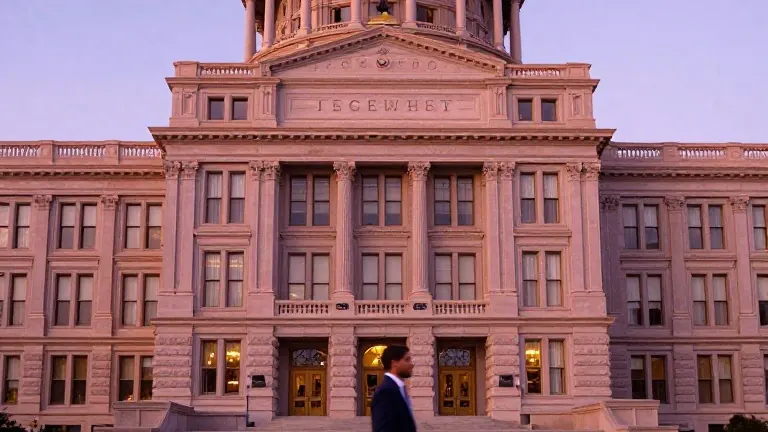
Texas Democrats are preparing legislation for the 2027 legislative session to expand Medicaid, following midterm elections that shifted national control to their party.
Leo Cuello, a research professor at Georgetown University's Center for Children and Families, noted that the 2026 election results reflect rising voter frustration over healthcare costs. He described the political climate as a changing background music with increasing volume, suggesting that the balance of interests for states without expansion programs has shifted.
The state currently has the highest uninsured rate in the nation. In 2025, approximately 5.2 million Texans, or one in six residents, reported lacking health insurance. KFF analysis indicates that more than 1.1 million of these individuals would qualify for coverage under a new expansion program.
Federal policy under H.R. 1, signed into law in 2025, complicates the state's path forward. The legislation introduced work reporting requirements, mandating that enrollees complete 80 hours of work or community service per month to maintain coverage. National data shows 44% of current Medicaid adults work full-time and 20% work part-time, while 8% do not work for reasons such as retirement or inability to find employment. Advocates worry these rules create administrative barriers.
H.R. 1 also implemented cost-sharing policies, including monthly premiums and higher copays. Cuello stated that these provisions align with some policymakers' views on requiring 'skin in the game' but will likely reduce overall enrollment and service utilization. He argued that the lower total price tag for expansion makes the decision easier for Texas, despite the reduced coverage scope.
Funding structures have also changed. The federal government covers 90% of expansion costs, but H.R. 1 placed limits on policies states use to cover the remaining 10%. Cuello described these limits as a penalty for expanding states. North Carolina, the most recent state to expand, received over $1 billion in federal bonus payments, which it used for a new children's hospital and mental health initiatives. Texas would lose access to similar incentives.
Implementation challenges remain. Texas's eligibility determination system faces a severe backlog, and new data matching requirements for employment and caregiving status will increase complexity. Cuello compared the current system's capacity to walking a balance beam one foot wide, noting that expansion would require navigating a beam six inches wide. Republicans still control the executive branch, including the Centers for Medicare and Medicaid Services, which oversees state programs.
Despite these hurdles, Cuello maintains that expansion offers substantial benefits, including lower uncompensated care costs for rural hospitals and a healthier workforce. He stated that covering 80% of the population would solve 80% of uncompensated care losses. With Democrats controlling both chambers of Congress, he believes the state is closer to a 'yes' decision than at any previous point.