Oregon mail ballots move through strict checks before tally
Election officials in Linn County detail the manual and digital steps used to verify signatures, count ballots, and store votes in an air-gapped system.
By Nathan Reed ·
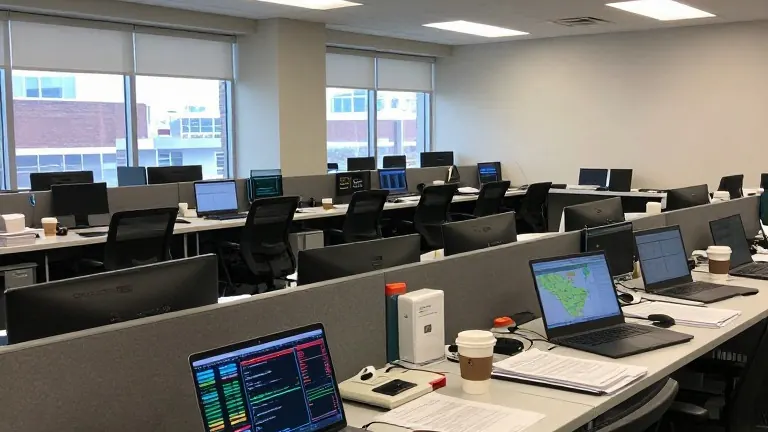
Election officials in Linn County, Oregon, must verify signatures, physically count ballots, and store votes in a secure, offline environment before any results can be made public. This process is mandated for all 36 counties in the state to ensure consistency in the vote-by-mail system.
The current system traces its origins to 1981, when Linn County Clerk Del Riley proposed mailing actual ballots instead of samples to save printing costs. A test school levy election that year saw turnout exceed 75%, a jump of nearly 20 percentage points over the previous primary. By 2000, Oregon became the first state to conduct all elections by mail. Today, more than 3.1 million voters receive ballots in the mail and return them via prepaid postage or one of approximately 300 dropboxes statewide.
Election workers collect ballots from dropboxes, typically twice daily in urban areas and once daily in rural regions. They carry affidavits proving their identity and the collection date. Each dropbox is chained in place and equipped with internal fire suppression. Ballots are placed in locked bags and transported to the county clerk’s office, where staff sort them into trays. Each tray is paired with a yellow auditing form that tracks the number of ballots and notes any anomalies, such as missing signatures. This form remains with the batch through the final tally.
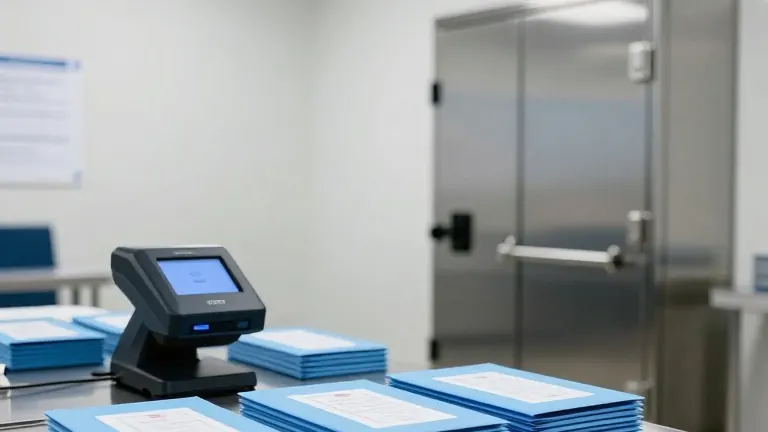
Staff run the trays through a machine that counts ballots and scans the signature on each blue envelope. Workers then individually compare each scanned signature against the voter’s registration record. If a signature does not match, officials review it. If rejected, the clerk’s office mails the voter a notice requesting a new registration signature. Voters enrolled in the BallotTrax system also receive an alert. This step is when duplicate ballots are identified, a situation Clerk Marcie Richey noted is more common among elderly residents who forget they already cast a vote.
Ballots are separated from envelopes using an extraction machine. A team of staff then hand-counts the ballots and envelopes separately, writing their tallies silently before comparing them. Once the count is verified, batches move to a holding room. Tallying occurs on machines running Clear Ballot software in a room completely disconnected from the internet. After counting, ballots are stored in a vault. Oregon law requires clerks to wait 90 days after the election contest deadline before destroying ballots, though a 2026 executive order suggests longer storage periods. A lawsuit involving Oregon as a plaintiff addresses this requirement. Results are stored on a private flash drive and sent to the state secretary of state after the 8 p.m. deadline on Nov. 3.
Security measures in the Linn County Clerk’s Office include cameras at every ballot location, thick mesh glass windows, and motion sensors that notify Richey and local law enforcement of after-hours movement. Custodial staff are barred from ballot rooms until results are certified. Studies indicate fraud is rare in such systems. The Brookings Institution found about four fraud cases per 10 million mail ballots cast between 2016 and 2022. A 2020 report by the state Legislative Fiscal Office found only 38 criminal convictions of voter fraud among 61 million ballots cast between 2000 and 2019.
Source: Portland Tribune