Estonia closes Russia border after GRU-linked arson attempt
Eight suspects detained following a failed attack on a defense tech firm; crossings shut starting December 1.
By Yasmin Farouk ·
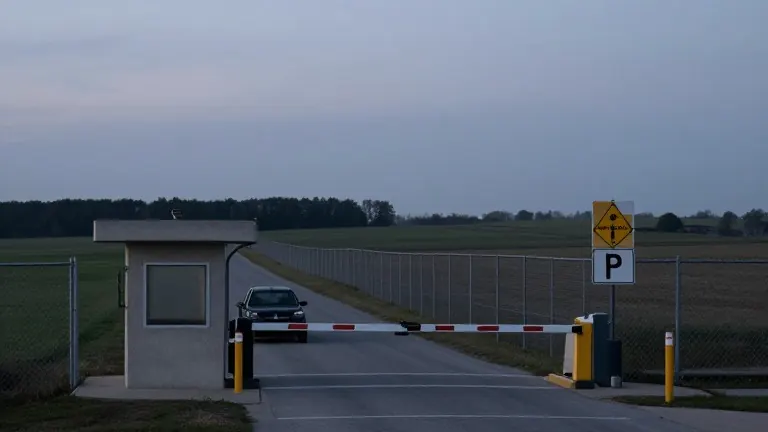
Estonia will close its land border with Russia starting December 1, Prime Minister Kristen Michal announced Sunday. The decision follows a failed arson attack on a defense technology company that Estonian authorities attribute to Moscow's military intelligence service, the GRU.
Security services reported that eight individuals were detained after attempting to set fire to the company overnight on Saturday. No one was injured in the incident. Estonian officials stated the operation was carried out on direct orders from the GRU. Russia has not yet issued an official response to the allegations or the border closure.
Michal said the move is a necessary response to ongoing Russian hybrid operations. He noted that Russian intelligence services use border crossings to influence people inside Estonia. “Closing the border would reduce the threat to people in Estonia and send a clear message that attacks on Estonia’s defense industry and defense capabilities are unacceptable,” Michal said in a written statement. He provided no specific timeline for when the crossings would reopen.
Foreign Minister Margus Tsahkna described the weekend events as another reminder that Russian hostile activities extend beyond Ukraine. He said hostile actions must carry consequences. Tsahkna expects further sanctions targeting Russian individuals and entities to be adopted at a meeting of foreign affairs ministers in Brussels, Belgium, on Monday.
Ukraine commended Estonia for taking decisive action. Ukrainian Foreign Minister Andrii Sybiha said on X that Estonia demonstrated that Russian sabotage should have consequences beyond diplomatic condemnation. “This approach deserves wider support across Europe,” Sybiha wrote.
European officials have pointed to the Kremlin for similar incidents in recent months. In September, a Russian drone struck a railway line near the Polish-Ukrainian border where former Western diplomats were traveling. Another drone was shot down in Lithuania, and a third washed ashore in Poland. A Danish helicopter narrowly avoided a Russian flare, and Dutch rail traffic was disrupted by metal pipes placed on tracks that triggered short circuits. Moscow has denied involvement in these events, though NATO allies view them as an escalation designed to antagonize the bloc without starting a full war.
The border closure marks the latest step in European nations responding to what they describe as a sustained campaign of hybrid warfare. The specific impact on daily travel and trade remains to be assessed as the new rules take effect.
More News · Charlotte news · Report a business · Got a Story?