Passengers at Charlotte airport face high costs after FAA ground stop
The federal agency halted all flights on Nov. 13, leaving travelers with few options for reimbursement as Thanksgiving travel approaches.
By Yasmin Farouk ·
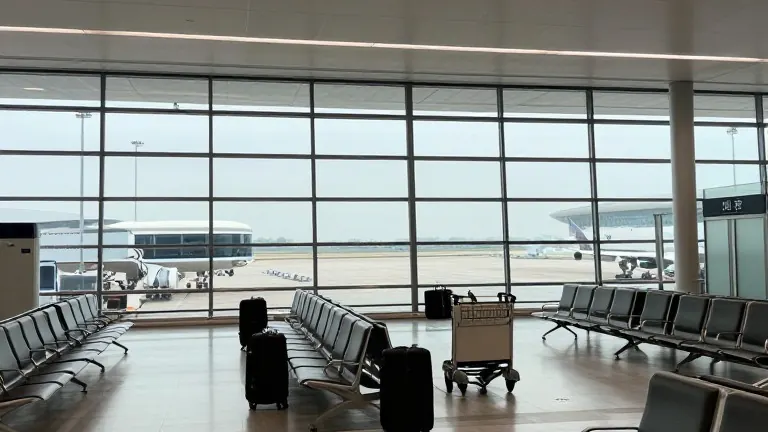
The Federal Aviation Administration grounded every flight in the United States on Nov. 13.
The stop lasted about four hours, but the impact on travelers extended well beyond that window. This event marks only the second time the FAA has halted all domestic air traffic since the attacks of Sept. 11, 2001. The agency cited equipment issues as the cause. By the time the stop was lifted, passengers across the country were already stranded.
At Charlotte Douglas International Airport, the disruption was felt over the following weekend. Rose Halfacre, a passenger who flew from Charlotte to Kansas City, said her flight was canceled. She rebooked for the morning of Nov. 16. Samuel Roberts checked his flight status every four to five hours over the weekend. He flew out on Nov. 16. John Whitney arrived at the airport on Nov. 16 and expected the situation to be more chaotic. He found the process manageable despite the recent stop.
The primary frustration for travelers is the lack of financial protection. Airlines are not required by federal rules to cover extra expenses such as hotel stays, meals, or ground transportation when a disruption stems from external factors. A Department of Transportation rule mandates that airlines offer a refund if a flight is canceled, but only if the passenger decides to stop traveling. If a passenger accepts a new flight, the original ticket price is typically used, leaving out-of-pocket costs to the traveler. Erin Bahr, chief legal officer for AirHelp, a travel assistance site, explained that airlines have no automatic obligation to cover these additional costs when the cause is outside their control.
Roberts expressed concern that his funds were being lost. He said, “My hard earned money is going down the drain.” Whitney noted that his group had invested significant money in their trip. They wanted to ensure they arrived on time and did not lose the portion of the budget allocated for the destination. Whitney said he believed having reimbursement as an option would be beneficial.
Travelers are now watching the schedule as Thanksgiving approaches. The American Automobile Association estimates that nearly 6 million people will fly for the holiday. Roberts said he is nervous because his daughters will be traveling in. He is monitoring the situation closely to avoid another delay. Other passengers are advising friends to prepare for potential cancellations. They recommend setting up flights so that a refund is available if the passenger chooses not to fly. Whitney suggested that travelers have a backup plan in case of disruption.
Several major airlines have issued specific policies for passengers affected by the Nov. 13 stop. American Airlines allows customers with flights on Nov. 13 and Nov. 14 to rebook without fees for travel through Nov. 18. Delta offers customers with flights from Nov. 13 through Nov. 16 the option to cancel for credit or rebook before Nov. 23 at no cost. JetBlue is waiving change fees and fare differences for travel between Nov. 13 and Nov. 15 if passengers rebook by Nov. 18. Southwest permits customers with flights from Nov. 13 through Nov. 16 to rebook without fees or travel standby within five days of their original departure date. United allows customers with flights from Nov. 13 through Nov. 15 to cancel for a full refund or rebook without fees for travel through Nov. 20.
More Business · Charlotte news · Business Watchdog · Report a business · Got a Story?