Arizona Officials Confirm Screwworm Case, Ranchers Begin Treatment Protocols
State and federal officials identified the flesh-eating pest in a Cochise County dog on October 28, prompting livestock inspections across the region.
By Nathan Reed ·
Arizona livestock producers began implementing protective measures after state and federal officials confirmed a case of New World screwworm in a Cochise County dog on October 28. The diagnosis marks the pest's return to the state after it was eradicated in the United States during the 1960s. Officials are urging precautionary inspections and treatments for animals statewide.
The U.S. Department of Agriculture and Arizona officials are employing the eradication strategy used decades ago. This involves releasing sterilized male flies to interrupt reproduction cycles and establishing infested zones with movement controls. Ryan Wolker, state veterinarian with the Arizona Department of Agriculture, said movement within these zones is restricted. Animals must be evaluated by an inspector or veterinarian before transfer, and treated if necessary.
Screwworm flies locate open wounds on warm-blooded animals to deposit eggs. The resulting maggots consume living tissue, which can be fatal to the host if the infestation remains untreated. Officials have not reported cases in livestock, and the confirmed instance is limited to a single dog in a rural part of Cochise County.
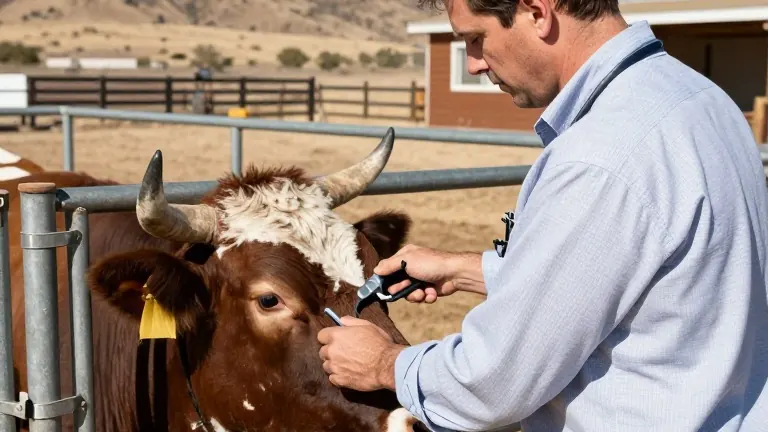
At Roper Nation in Wickenburg, owner Kyle Chrisman said his operation is administering preventative care. The protocol includes an injectable treatment called Dectomax CA1, along with a topical pour-on containing abamectin for fly control. The property also utilizes fly bags suspended in pastures to reduce insect populations.
Chrisman said inspection routines are continuous. Staff check animals for wounds and examine any injuries found. Because the ranch hosts competitions six days a week and receives new cattle at least twice weekly, steers are examined on that schedule. Additionally, three or four people handle daily feeding duties in the pastures, providing further opportunities to check animals.
Arizona Department of Agriculture officials state the pest can affect all warm-blooded species. While Roper Nation is located hundreds of miles from Cochise County, Chrisman confirmed there are no signs of the pest at his facility. Additional information is available through the Arizona Department of Agriculture.
Source: KUTP