6,300 Italian schools targeted by email bomb threats this week
European authorities face a coordinated wave of false alarms that have disrupted flights and schools, prompting calls for a unified continental security response.
By Nathan Reed ·

Prime Minister Giorgia Meloni of Italy addressed parents on Wednesday after approximately 6,300 schools across the country received bomb threats via email. The Italian government reported that around 3,778 additional schools received similar messages on Thursday. While hundreds of facilities evacuated their students, many others remained open. Meloni proposed new protocols requiring concrete evidence before a mass email triggers an evacuation, aiming to reduce disruption to daily life.
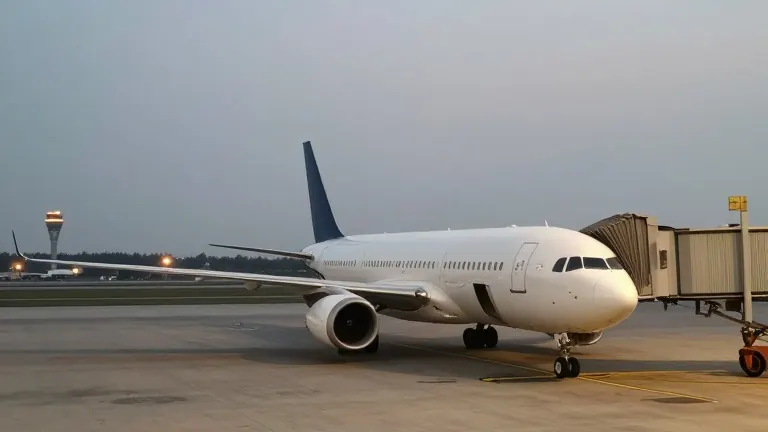
The threat wave has extended beyond the education sector to impact aviation and broadcasting. More than 50 flights were affected by the alerts, which authorities have so far confirmed as false. Responses varied by nation. Hungary and France scrambled fighter jets to escort passenger planes, while other countries diverted flights to alternative airports. UK airports, including Heathrow and Birmingham, assessed the threats as not credible and continued operations, a strategy Grégoire Roos of Chatham House suggested could be adopted more widely to limit public anxiety.
József Váradi, chief executive of Wizz Air, met with European Commission officials on Thursday to push for harmonized security procedures. Váradi noted that the current fragmented approach hinders effective response. He stated in a post-earnings call that the issue is a "hot potato" because no country wants to concede sovereign control over security matters. He alluded to the possible creation of a central body to manage such hoaxes, though no such institution has been formally established.
Cybersecurity firms Proofpoint and Abnormal Security found that a large portion of the threats originated from legitimate webmail accounts that had been hijacked. This digital method makes it difficult for investigators to trace the origin of the messages. Some threats were signed by the "Male State," a Russian ultra-nationalist group, but authorities suspect these attributions may be false. The low cost of sending an email compared to the expense of deploying security forces has strained public resources.
French President Emmanuel Macron spoke to reporters in Dublin on Thursday, cautioning against immediate attribution of the incidents to foreign powers. He said there were not yet sufficient elements to make a definitive attribution. Grégoire Roos warned that automatically pointing the finger at Moscow could embolden other state and non-state actors. He emphasized the need for a Europe-wide threat assessment standard that relies on corroborating intelligence rather than national reflexes.
The incidents have exposed vulnerabilities in European public infrastructure to anonymous messaging. Analysts note that the current response involves multiple law enforcement agencies, aviation authorities, and police forces operating with different standards. This lack of coordination increases response times and creates what Roos described as a "scrambled response." The wave of threats has raised urgent questions about how the bloc will distinguish credible security concerns from attempts to exploit existing precautionary measures.
More News · Charlotte news · Report a business · Got a Story?