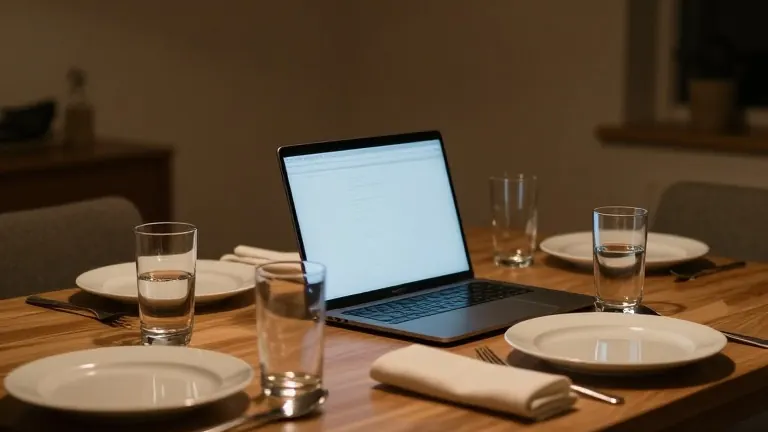
Trump claims strength in Asia trip, details few deal outcomes
The president cited nuclear discussions and AI rules with Xi and Putin, while officials noted a lack of formal concessions.
By Natalie Cooper ·
President Donald Trump stated on Friday that the United States entered its recent Asian diplomatic tour from a position of unmatched economic and diplomatic strength, according to remarks made at a White House press conference.
The administration held the briefing to review the president’s meetings with Chinese President Xi Jinping and Russian President Vladimir Putin. Trump was flanked by Vice President JD Vance and Secretary of State Marco Rubio, who both spoke before the president addressed reporters.
Despite the high-profile nature of the summit, the trip yielded few tangible results beyond a joint statement on unity regarding the reduction of nuclear risks. Trump described the gatherings as a chance to demonstrate U.S. standing, though he offered limited specifics on the agreements reached.
A primary point of focus was the development of artificial intelligence. Trump said he and Xi agreed to establish joint guardrails in the race to build the technology. He noted that Xi preferred the term super intelligence and that they agreed the power might be too great without rules.
The president also discussed the sale of older semiconductor chips to China, a move he linked to the recent Nvidia scandal. He argued that the U.S. should only sell older chips and that China would manufacture its own if American sales stopped entirely. Trump added that he intends to keep data center construction within the United States rather than allowing companies to build abroad.
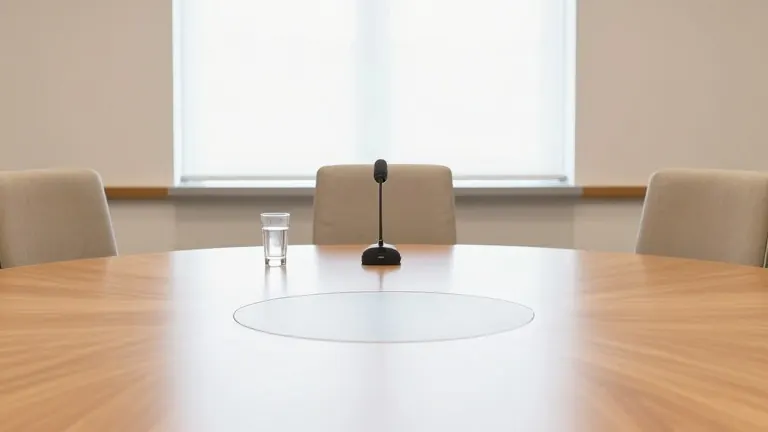
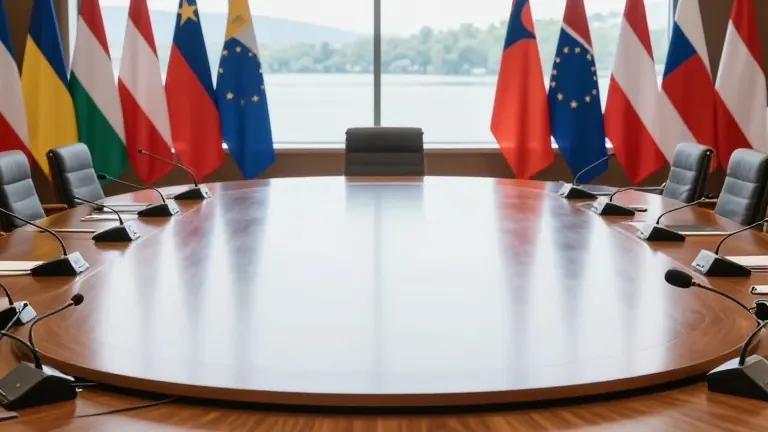
The trilateral meeting took place at a lakeside resort in Shenzhen, China. The three leaders, who command the world’s largest nuclear arsenals, sat around a large round wooden table to discuss nuclear proliferation, Iran, and global relations. While the setting emphasized power, few signs indicated that Xi or Putin were prepared to make major concessions to the American president.
Trump did not hold a formal press session while in China, a departure from the standard practice for presidential foreign trips. In contrast, President Putin did hold a press conference before departing the country. The U.S. president arrived in the Philippines for the conclusion of a summit with South Asian leaders before heading to China.
Vance stated that he missed the president during the trip, while Rubio recounted the highlights of the overseas journey. Trump’s opening statement veered from the Asian meetings to topics including Iran, the Federal Reserve, his quest for a Nobel Peace Prize, and domestic manufacturing.
Suzanne Maloney, vice president and director of the foreign policy program at the Brookings Institution, characterized the trip as an opportunity for the president to bask in the glow of great power amity following a bruising domestic election outcome. She said the direct engagement provided the optics of validation for his standing as a historical figure.
The White House said the discussions included trade agreements reached during the earlier part of the trip in the Philippines. The joint statement on nuclear risk reduction remains the most concrete document produced by the three nations during the Shenzhen meeting.