Three years of war leave 20 million Sudanese hungry as schools vanish
UN agencies warn El Niño will worsen food shortages while children in North Darfur report losing parents and classrooms.
By Yasmin Farouk ·
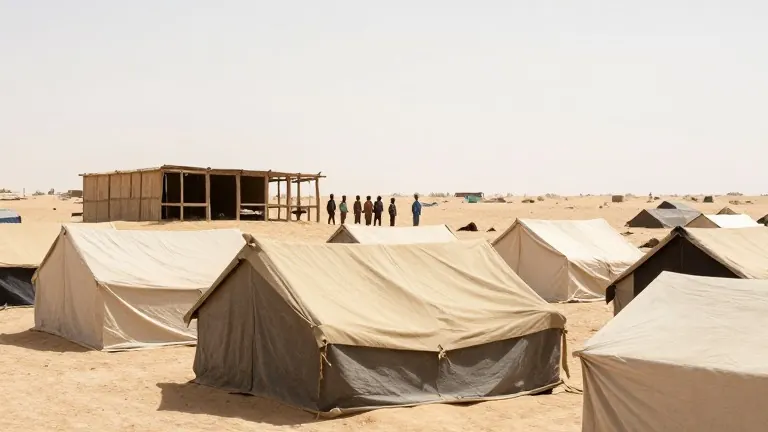
The civil war in Sudan has displaced millions of children and left almost 20 million people facing acute hunger three years after the conflict began. The fighting erupted in April 2023 between government troops and the Rapid Support Forces, spreading across the country and killing tens of thousands of people according to United Nations data.
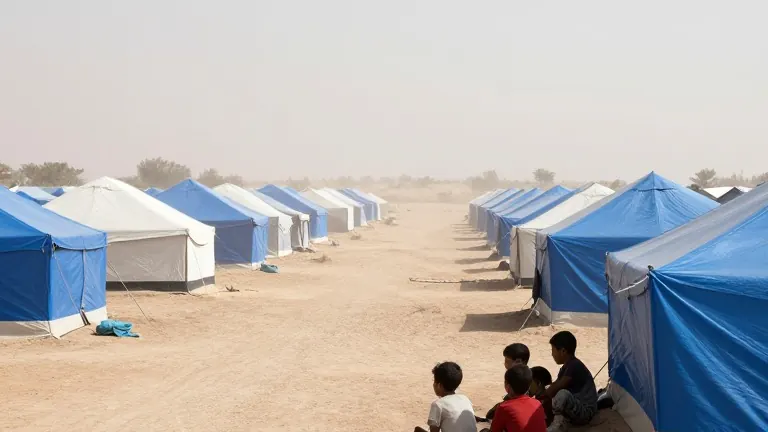
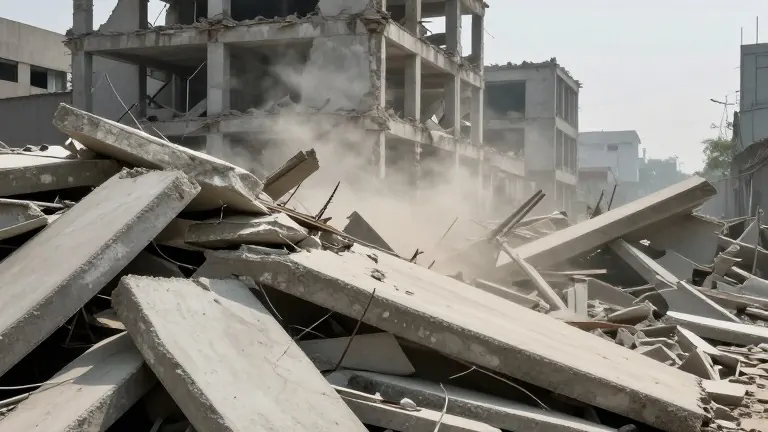
Dr. Sam Nutt, the head of the North American nonprofit War Child, returned from a recent trip to the country where she observed the capital city of Khartoum. She described the urban environment as post-apocalyptic. In Tawila, a displacement camp located in the North Darfur region, Nutt interviewed local children about their experiences.
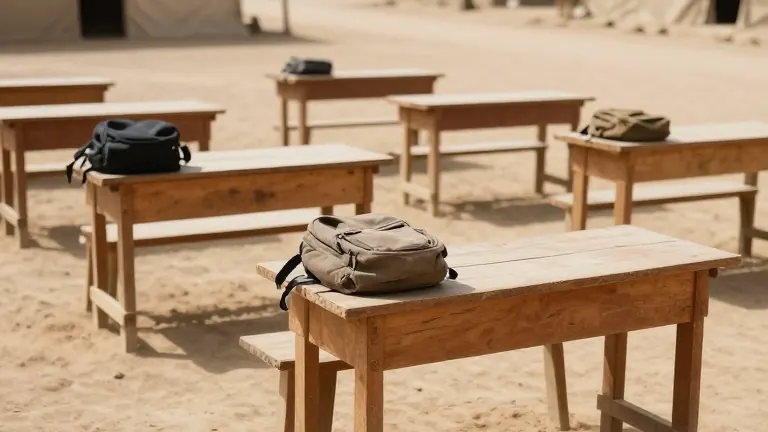
When asked how many students had been displaced by the conflict, every child in the group raised a hand. Nutt noted that when questioned individually about witnessing injury or death, all of the children responded affirmatively. Many of the students reported that they lost one or both parents during the fighting.
Laura Mills of Amnesty International stated that the lack of education has pushed some children toward military service. Mills explained that many children told her they saw returning to the battlefield as their only option because they had been unable to attend school for years. The organization said the current situation is perpetuating the cycle of conflict.
The United Nations has designated Sudan as the world's worst humanitarian crisis. The agency warned that a strong El Niño weather pattern could exacerbate food shortages in the coming months. The country's strategic location and mineral resources have drawn foreign support, with Iran and Russia providing funding and the United Arab Emirates accused of backing the Rapid Support Forces, a charge the Gulf state has denied.
Nutt cited the story of an 11-year-old girl in her classroom who aspired to become a doctor. The child wanted to help keep people alive after witnessing both of her parents being gunned down in front of her. The conflict has created a generation of students without formal education who are now exposed to drones, famine, and forced marriage.
The war has resulted in widespread destruction of infrastructure and family units across the region. Both sides of the conflict have committed atrocities, with the Rapid Support Forces specifically accused of genocide in the western region of Darfur. The humanitarian toll continues to grow as the conflict enters its third year.