Sudan's War Forces 20 Million Into Famine as Schools Vanish
Three years of fighting have displaced millions of children, with nearly 20 million Sudanese now facing acute hunger.
By Natalie Cooper ·
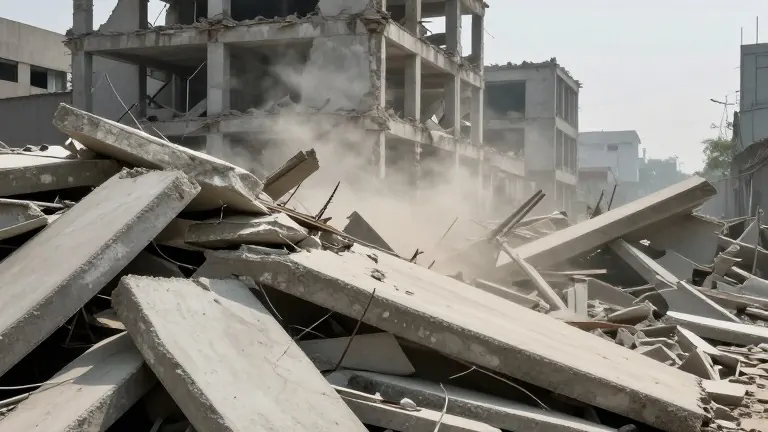
Nearly 20 million people in Sudan face acute hunger, a figure that underscores the scale of a crisis that has now persisted for three years. The U.N. has labeled the nation the world's worst humanitarian disaster, a designation driven by a conflict that began in April 2023 when government troops clashed with the Rapid Support Forces. Since that initial outbreak in Khartoum, the violence has spread across the country, displacing millions and killing tens of thousands, according to U.N. records.
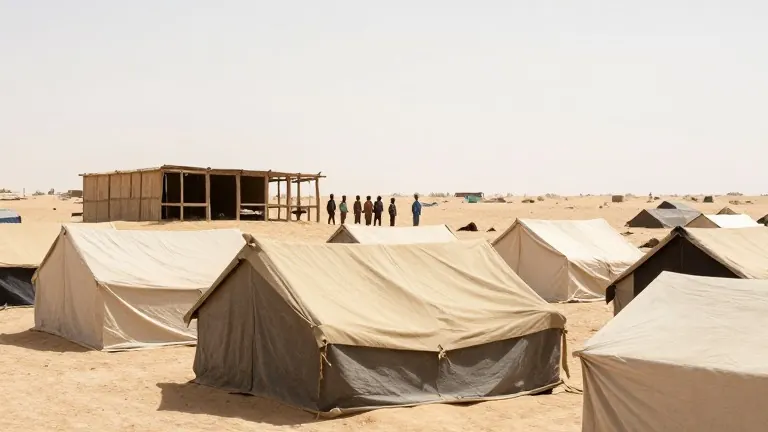
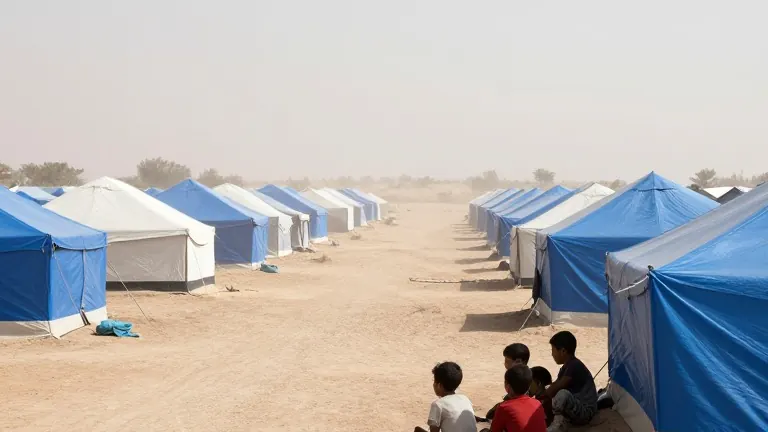
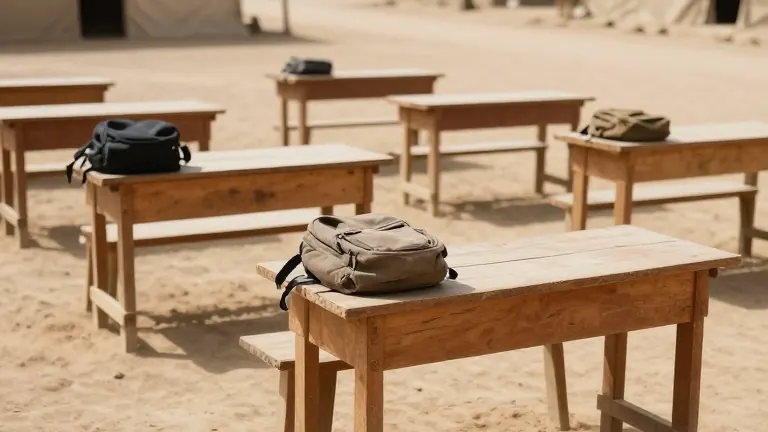
In the displacement camps of Tawila, North Darfur, the daily reality for children is defined by survival rather than schooling. Dr. Sam Nutt, head of the North American NGO War Child, recently visited the region and described the capital Khartoum as post-apocalyptic. Nutt observed that in her classes, every child raised their hand when asked if they had been displaced by the war. When questioned individually about witnessing injuries or deaths, all of them reported the same experience: many have lost one or both parents to the conflict.
Laura Mills of Amnesty International argues that the loss of education is fueling the cycle of violence. She noted that many children, unable to attend school for years, view returning to fight as their only option. This pattern is particularly stark in Darfur, where the RSF is accused of committing genocide. The conflict involves external actors as well; Iran, Russia, and the United Arab Emirates have all been linked to the fighting. The UAE, a U.S. ally, denies accusations that it backs the RSF, but the group remains a central force in the war.
Dr. Nutt stated that the conflict has global tentacles that affect American interests. The war is funded and supported by nations far from Sudan, creating a network of influence that extends beyond the immediate region. Mills warned that this instability would eventually lead to more escalating wars worldwide, a dynamic that would eventually return to affect other nations.
One specific account has remained with Dr. Nutt since her trip. An 11-year-old girl in her class wanted to become a doctor to keep people alive. She had witnessed both of her parents being gunned down in front of her. The U.N. agencies now warn that a super El Niño event could further exacerbate food shortages. For the children in Tawila and other camps, the classroom has been replaced by the battlefield, and the consequences of these years of war will extend well beyond the end of the fighting.