Gulf oil exports hit 18.4 million barrels as Iran strikes Bahrain
Intercepted drones and stalled talks mark a new phase in the nine-month regional conflict.
By Yasmin Farouk ·
Bahrain’s Defense Force reported intercepting and destroying several Iranian drones on Sunday, following a similar incident on Friday. The attacks target an American ally that hosts major US military facilities.
Iran’s Islamic Revolutionary Guard Corps claimed responsibility for a strike on a US helicopter base in Bahrain. US Central Command has not yet confirmed the extent of the damage.
Tensions in the region have intensified over the past week. The six-member Gulf Cooperation Council suggested last week that Iran pay compensation for previous attacks on its member states' territory. Foreign ministry spokesman Esmaeil Baghaei rejected the idea on Sunday.
Baghaei asked how nations that provided airspace and territory to attackers could seek compensation from Iran. He warned the Gulf states to be careful not to reopen old wounds, a reference to their support for Iraqi leader Saddam Hussein during the 1980s Iran-Iraq war.
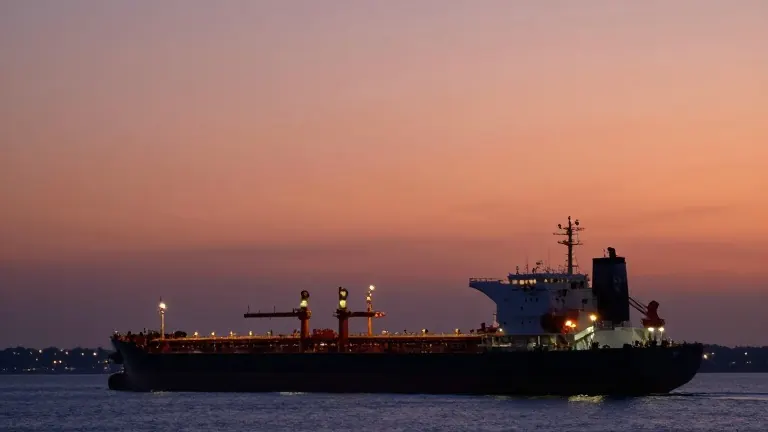
Oil flows through the Strait of Hormuz remain a central point of contention. The International Energy Agency reported that Gulf oil exports, excluding Oman, reached 18.4 million barrels per day in October. That figure stands 26 percent below prewar levels.
Iran has not exported meaningful amounts of its own crude in over two months. The country is demanding an end to the US blockade and the unfreezing of billions in assets to resume negotiations. President Donald Trump said on Thursday that the US is extending the economic squeeze to allow Gulf states to manage the situation more civilly.
Domestic pressure in Iran continues to build. Vice President Esmail Saghab Esfahani admitted last week that fuel supply problems have become widespread. Residents in the port city of Bandar Abbas blocked traffic on Thursday to protest petrol shortages.
Iranian officials maintain a firm stance on nuclear talks. Baghaei stated on Sunday that Iran is not at the stage of discussing details on uranium enrichment with Washington. Speaker of Parliament Mohammed Bagher Ghalibaf said the outcome of the conflict depends on the capabilities of Iran’s armed forces.
Houthi forces in Yemen have increased ballistic missile attacks on Saudi Arabia. Saudi-backed government forces recently retreated from areas near the Red Sea, marking a setback in their southern campaign. Analysts describe the current regional situation as an unstable limbo.
The conflict has now lasted nine months. Gulf states continue to monitor shipping lanes for mines, with frequent claims of tanker strikes in the Strait of Hormuz. Tehran cites the sharp decline in oil prices as a loss of leverage in ongoing diplomatic efforts.
More World · Charlotte news · Report a business · Got a Story?