Fuel Costs Sink Norse Atlantic Into Bankruptcy
The Norwegian carrier cited fuel costs linked to the Iran war as the reason for halting all flights.
By Yasmin Farouk ·
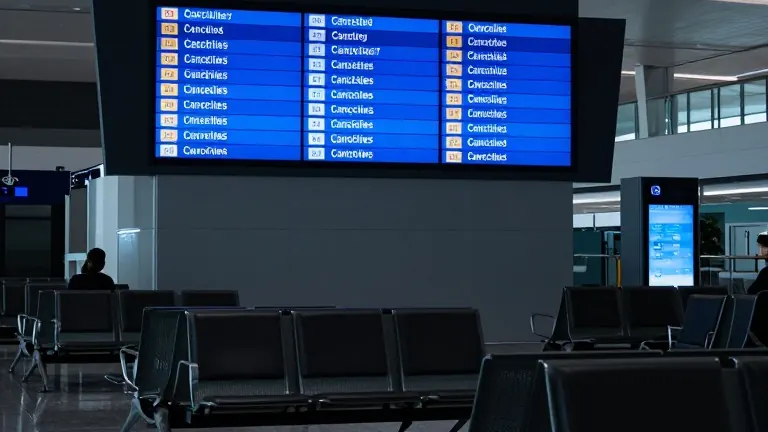
Norse Atlantic Airways AS filed a bankruptcy petition with the Agder District Court on Friday, ending operations for its main unit. The filing came after the board determined there was no basis for continued operations. The airline suspended all flights the day before and stopped selling tickets. Its shares dropped 85 percent on Thursday.
Chief Executive Officer Eivind Roald told Norwegian public broadcaster NRK that fuel costs were the primary cause of the collapse. He stated the company was unable to absorb the extra expense. Norse did not hedge its fuel purchases, leaving it exposed to spot market prices. Aviation analyst John Strickland noted the lack of protection made the airline vulnerable to price spikes.
The war between the United States, Israel and Iran began in late February and disrupted shipping through the Strait of Hormuz. This disruption raised global jet fuel prices. The International Air Transport Association reported that fuel averaged $99 a barrel before the conflict started. By April, the average price had more than doubled to $209. Prices remained high in October, exceeding $200 in Europe.
Norse had been reducing operations for months prior to the filing. Roald said the airline cancelled over 700 flights since the war began. The company cut 75 jobs in May to save $50 million. It also dropped its Los Angeles schedule in April and later removed New York routes. The final decision came after lessors terminated contracts for its Boeing 787 fleet. Norse is contesting these terminations.
The bankruptcy applies only to the Norwegian operating unit. The parent company, Norse Atlantic ASA, and its UK subsidiary continue to seek solutions for the remaining parts of the business. Roald said the board made the decision after extensive efforts to find a financial rescue. He described the move as difficult but necessary given the company's liquidity needs.
Other carriers have faced similar pressures. Spirit Airlines ceased operations on May 2 after failing to secure a $500 million federal rescue. Latvia's airBaltic entered Chapter 11 restructuring in August and plans to cut 500 to 700 jobs. Spain's Volotea began negotiations with creditors in September, citing $174 million in fuel cost increases. The company plans to shrink its fleet from 44 aircraft to between 30 and 35.
Gulf carriers have fared better due to local fuel availability. Emirates reported a 68 percent drop in half-year profits to $1 billion. However, the airline remains profitable thanks to hedging gains and lower regional fuel prices. Jet fuel averaged $165 a barrel in the Middle East in early October. The IATA expects global airline profits to halve to $23 billion this year.
Analysts warn the squeeze on low-cost, long-haul flights will continue. Strickland said budget carriers lack the market power to pass all costs to passengers. He noted that these airlines depend on price-sensitive travelers who are unwilling to pay higher fares. The IATA forecasts that fuel will account for 31.4 percent of operating costs in 2026, up from 25 percent the previous year.
More Business · Business Watchdog · Report a business · Got a Story?