Nesher leader projects 2035 start for Nvidia's Tivon campus amid transit gaps
Mayor Roy Levi cites infrastructure deficits and flood risks to justify his timeline estimate, while urging a metro system for the Haifa region.
By Nathan Reed ·
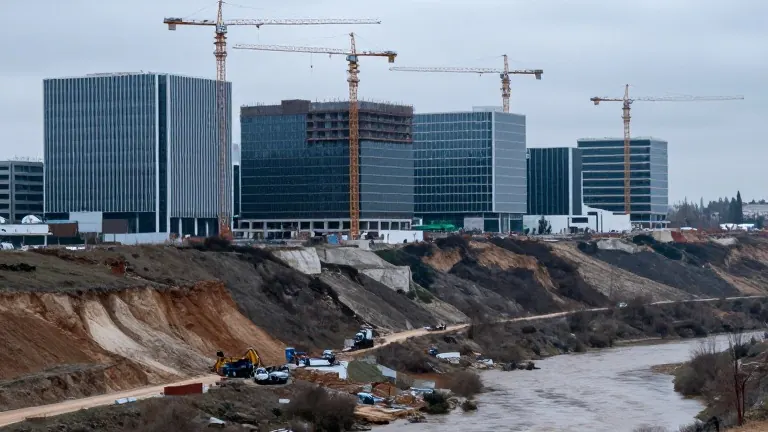
Roy Levi, mayor of Nesher and deputy chairman of the Federation of Local Authorities, estimated that Nvidia's planned campus in Kiryat Tivon will not open until 2034 or 2035. Speaking to Maariv this week following the Haifa Bay Conference, Levi said the date assumes favorable conditions for approvals, permits, and construction. He questioned whether the infrastructure surrounding the site can support a workforce of approximately 6,000 employees.
Levi argued that the Tivon location lacks sufficient space for the businesses and services that such a large workforce requires. He noted that existing plans for the land were not tailored to Nvidia and originally included multiple companies, a transportation terminal, and an ecological corridor. According to Levi, some of those elements may need to change or be canceled to make way for the tech developer.
The mayor raised specific engineering concerns about the site. He pointed to nearby flood risks and high-voltage power lines as potential obstacles. Levi also cited the challenge of building underground parking on clay soil near the Kishon River. He described public transport options as limited and noted constraints on widening local roads.
Levi maintained that the land proposed by the Clal Group in Nesher would have been better suited for the project. He said his city's site could support housing and community facilities more easily. Although he acknowledged that a Tivon campus would benefit the wider metropolitan area, he said Nesher had competed to host the development and remains in conversations with Nvidia. Levi reported that another major company is currently negotiating over the Nesher land.
In a separate argument for regional infrastructure, Levi urged the government to begin planning a metro system for the Haifa metropolitan area. He described northern Israel as trailing the country's center in transportation investment. Levi called a metro his first choice, even if completion took another 30 years. He contrasted the region's Metronit bus rapid transit system with the underground infrastructure being built in the Dan metropolitan area.
Levi linked the region's struggles to advance legislative priorities to the absence of regional representatives in the newly elected 26th Knesset. He called on Haifa's leadership to promote metropolitan development more actively. Citing Sammy Ofer Stadium as evidence of the city's potential, he credited Mayor Yona Yahav for advancing that project and urged efforts to rebuild civic pride among residents.
The mayor also addressed National Outline Plan 75, which covers Haifa Bay's transition away from heavy industry. Levi argued that local authorities were excluded from years of planning despite their future service obligations. He questioned whether proposed logistics facilities would generate enough jobs and warned against marketing housing land before a clear industrial relocation timetable is set.
Levi rejected the prospect of closing the Bazan oil refineries by 2029. He said replacement fuel supply and storage arrangements must be established first, though he offered no alternative date. While Nesher receives municipal revenue from the complex, Levi supported eventual closure and called for stronger environmental enforcement and substantial penalties for air pollution violations in the interim.
More Business · World news · Business Watchdog · Report a business · Got a Story?