Artisans in the Northwoods Pivot as Ash Borer Decimates Black Ash
The Asian beetle has reached all 72 Wisconsin counties, forcing weavers and lacrosse makers to seek new materials and rethink their relationship with the dying trees.
By Nathan Reed ·
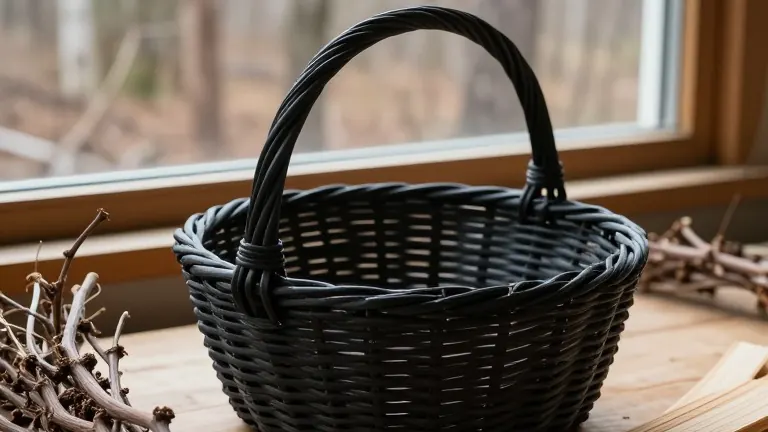
April Stone, a basket weaver from the Bad River Band of Lake Superior Ojibwe, is shifting her craft away from black ash. The emerald ash borer, an Asian beetle, has killed the trees that provided the splint for her traditional work. Stone now incorporates grapevines, cedar, cattails, bulrushes, and basswood into her designs.
The insect was first found near Detroit in 2002. It has since spread to all 72 counties in Wisconsin and 37 other states, reaching as far south as Louisiana. The arrival of the pest was not always obvious to local residents. Stone recalled watching news reports that Menards had received firewood from a quarantined zone, which signaled the beetle's reach into northern Wisconsin.
Black ash trees serve as a keystone species in the region. Their roots help regulate groundwater levels and prevent runoff that can damage wild rice, known as manoomin. Colin Peters, a doctoral candidate in plant pathology at the University of Minnesota, warned that losing these trees could alter erosion rates in riparian and swamp areas because the trees no longer provide structural support to the soil.
Richard Siewertsen, the culture and language revitalization coordinator for the Lac Vieux Desert Band of Lake Superior Chippewa Indians, faces similar challenges. He crafts lacrosse sticks from ash wood because of its specific strength and light weight. Siewertsen recently inspected a dying stand of trees in the Ottawa National Forest in the Upper Peninsula of Michigan. He identified the borer by a distinct D-shaped exit hole on the trunk.
The U.S. Forest Service currently advises leaving the infested trees in the forest rather than cutting or selling them. However, the agency still permits Siewertsen to harvest ash wood for his community's lacrosse sticks. He noted that switching to sugar maple would deplete a different natural resource. The beetles' carvings on the sticks have become a teaching tool for children learning about the environment.
Stone has adopted a philosophical approach to the loss. She uses the Ojibwe word manidoons for insects, which translates to little spirit. She views the beetles as messengers prompting humans to live more minimally and in balance. This perspective encourages artisans to observe how the trees react to the pest rather than immediately attempting to control the situation.
The shift in materials and perspective is changing how these Indigenous communities view their craft. Stone and her students have piled years of ash splint into a mound in her studio called the nest. As the ash trees disappear, the baskets they produce now tell a different story about adaptation and balance for future generations.