68 Barrels of Lead Azide Set for Controlled Blast at Iowa Plant
Army officials cite falling temperatures as the primary risk in the disposal plan scheduled for Wednesday morning.
By Nathan Reed ·
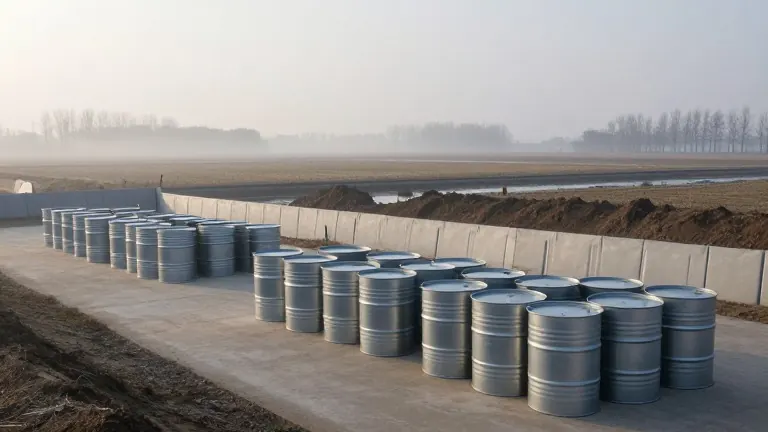
The Army will detonate 68 barrels of unstable lead azide at the Iowa Army Ammunition Plant in Middletown at 9 a.m. on Wednesday, November 25. Acting Army Secretary Adam Telle confirmed the schedule on Tuesday, stating that a controlled detonation is safer than risking a spontaneous explosion as temperatures drop.
A federal appeals court cleared the path for the blast by rejecting a legal challenge earlier this week. Telle noted that federal and external experts have reviewed the mitigation plan. The Army intends to use earthen works, water walls, and gel blocks to absorb the blast force. Mist systems and specialized foams will also be deployed to trap lead dust.
Despite these measures, Department of Agriculture Undersecretary Richard Fordyce warned that the dust plume could impact approximately 350 farms. The plume is expected to contain lead particles. The Army has established a five-mile cone evacuation zone extending southwest of the plant.
Local and federal officials are urging residents in that zone to leave before the detonation. Sean Kaufman, an official with the Department of Health and Human Services, advised that pregnant women, children, and people with chronic illnesses should stay out of the projected impact area. Those remaining outside the zone should stay indoors during the blast.
FEMA is providing temporary lodging for residents who wish to leave, with supplies available until November 27. The Army described the event as producing two rapid detonations, ground vibrations, and a dust plume that should linger for no more than an hour. The morning schedule was selected to utilize favorable weather before snow is forecast to arrive later that evening.
Cold temperatures cause the lead azide to form additional unstable crystals. These crystals can self-detonate from heat, shock, or friction, a risk previously noted in court filings by munitions specialists. The controlled detonation had already been postponed three times due to public concern over toxic lead dust.
Telle ordered the Army to begin a thorough examination of every weapons storage facility in its inventory to prevent similar issues at other military sites. Federal agencies will continue to update the public over the next 24 hours as weather forecasts may alter the path of the dust. The Army began disseminating updated impact maps on an hourly basis starting six hours before the detonation.
More News · National news · Report a business · Got a Story?