46 First-Time Lawmakers Enter Knesset, Many Shaped by October 7 Losses
The incoming parliament includes bereaved parents, reservists, and former officials who are entering office with direct ties to the 2023 attack.
By Ryan Carter ·
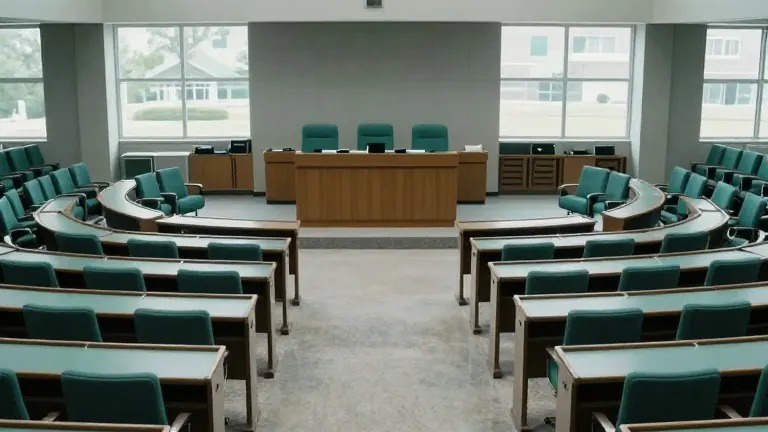
Forty-six of the 120 members of the new Israeli Knesset will take their oaths on Tuesday as first-time legislators. This class of newcomers is double the 23 first-time lawmakers elected in 2022, though it remains below the record of 49 set in 2019. A defining feature of this group is the frequency of personal connections to the Hamas attack of October 7, 2023, and the subsequent war.
The newcomers span the political spectrum, bringing diverse viewpoints to the chamber. Many have spent the last three years as activists, lobbying for hostage releases or pushing for security reforms. They now move from the outside to the inside of government. This shift allows them to pursue legislative changes directly rather than through public advocacy.
Among the most personal stories is that of Shira Shapiro, a Yashar party member and former urban planner. Her son, Aner Shapiro, was a 22-year-old unarmed soldier killed while defending civilians at the Nova music festival site. Shapiro said she entered politics to change leadership and form a broad government. She noted that the worst thing happened to her personally and to the country, driving her to act.
Gadi Eisenkot, leader of Yashar, lost his son and two nephews in battle. Though not a newcomer, his brief political career has been defined by this loss. He resigned from the war cabinet in June 2024, citing political blockages on key decisions. Eisenkot described the national condition as one of enduring pain and the strength to rebuild.
Likud has five new members, including Talik Gvili, whose son Ran was a police officer killed on October 7. His body was held in Gaza for more than 800 days before being returned. Gvili broke with other bereaved relatives by joining Netanyahu’s party, crediting the government for the return of her son’s remains. She has urged politicians to restore the unity seen at the start of the war.
B’Yachad brings six newcomers, including retired Major General Noam Tibon. Tibon drove to rescue his family from Kibbutz Nahal Oz during the initial attack. He has pushed for drafting ultra-Orthodox men into the military and a state commission of inquiry. Netanyahu’s government has sought to codify religious exemptions and set up its own inquiry instead. Yonatan Shalev, 23, will be the youngest member, having co-founded a reservists’ group against service exemptions.
Yisrael Beytenu includes Rafi Ben Shitrit, whose son was killed at the Nahal Oz base. Ben Shitrit helped found the October Council, a group critical of the government. He has called for a state commission of inquiry. Sharon Sharabi, whose two brothers were abducted from Kibbutz Be’eri, also joins the party. One brother was released, the other killed in captivity. Sharabi cited a deep responsibility to society for his choice.
The Democrats, led by Yair Golan, have two first-time members. Golan gained attention for rescuing people at the Nova festival site. The party had initially sought to include Einav Zangauker, mother of a former hostage, who was a vocal critic of the government’s handling of the crisis.