Water Exercise Reduces Joint Stress
Medical experts detail the physical benefits and safety precautions for older adults participating in aquatic workouts.
By Ryan Carter ·
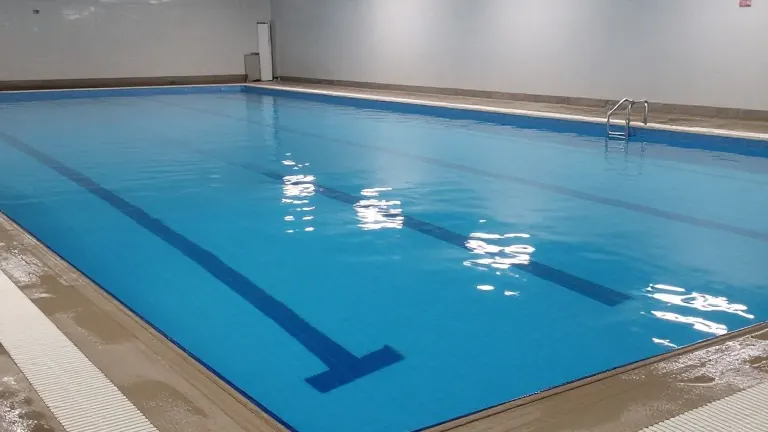
Aquatic activities offer a low-impact alternative for individuals managing joint pain or mobility limitations. By utilizing the buoyancy of water, participants can engage in cardiovascular training without the heavy loading associated with land-based exercise.
Dr. Rhea Rogers, a board-certified physician, explained that water supports approximately 90 percent of the body's weight. This reduction in load allows individuals to maintain cardiovascular endurance while addressing conditions such as prediabetes and insulin resistance. The physical support provided by the medium makes it easier for those with joint stiffness or muscle tightness to move compared to activities that involve repetitive impact.
Gerontologist Sam Cradduck noted that while the activity is low-impact, it is not without risk for older adults. He emphasized that thinner skin makes the feet more susceptible to injury, recommending the use of water shoes to prevent sores. Cradduck also mentioned the availability of ankle weights specifically designed for aquatic use to add resistance.
Several specific health factors require attention during water exercise. Cradduck warned that dehydration can occur in a swimming pool environment, a factor often overlooked by participants. Temperature regulation can also be more challenging for older adults. He advised monitoring blood pressure and water temperature, particularly when using hot tubs. Individuals with lymphatic issues or cancer survivors with lymph node involvement may experience complications from higher water temperatures due to fluid drainage challenges.
Safety on the pool deck is another consideration. Cradduck highlighted the risk of slipping on wet concrete surfaces, noting that falls are a common occurrence when exiting the pool. Additionally, participants may experience muscle soreness after sessions. He clarified that this soreness is a sign that muscles are adapting and building strength, and it should not discourage continued participation.
Amy O’Rourke, an aging expert, addressed the misconception that swimming proficiency is a prerequisite for water aerobics. She stated that approximately half of her students could not swim. O’Rourke described the joy participants felt when they achieved a full range of motion for their legs and arms, a movement often restricted on land. Beginners can perform leg lifts and knee lifts while standing at the pool's edge to build strength without submerging their heads.
Dr. Rogers cautioned that non-swimmers should remain in the shallow end of the pool to ensure safety. Cradduck added that public pools are generally required to have accessible entrances and exits to accommodate users with mobility devices or limited balance.
Katherine Ambrose, an aging well coach, described water exercise classes as well-rounded and designed to be enjoyable. She noted that these classes often feature music selected to engage the group and foster a social atmosphere. Rogers pointed to additional social and mental health benefits, including reduced stress, improved sleep, and increased confidence.
Regarding cost, O’Rourke stated that community pools and YMCAs provide accessible options for many residents. She noted that participation does not require membership in high-end clubs. Ambrose suggested that individuals with SilverSneakers benefits, often included in Medicare Advantage plans, may access these classes at no additional cost. This option allows for immediate access to structured aquatic fitness programs.