US investigates Iran over suspected cyberattacks on 50 ships
Officials suspect Tehran targeted vessels carrying oil and chemicals, with the Coast Guard intervening four times before ships reached American ports.
By Natalie Cooper ·
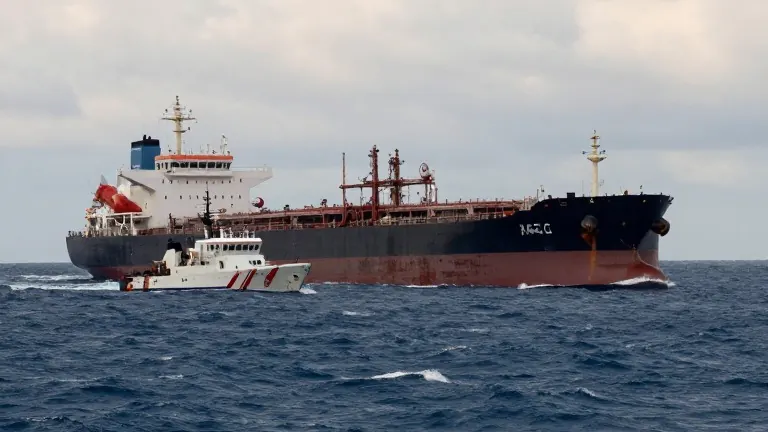
The United States is treating Iran as the primary suspect in a series of cyberattacks against maritime vessels.
A Wall Street Journal report published Tuesday states that up to 50 ships have been targeted in recent weeks. The vessels were transporting oil and other commodities, with some carrying explosive substances or chemicals.
US officials cited in the report identify Iran as the chief suspect. Washington also maintains a degree of suspicion regarding Russia. People familiar with the incidents reported that some ship crews received warnings that their vessels could be blown up. One source indicated that several of these threats were transmitted in Farsi.
The investigation focuses on the possibility that Iran is attempting to disrupt key maritime routes. The stated goals include frightening shippers, causing a collision, or triggering an explosion at a major port outside the Middle East.
US Coast Guard cybersecurity teams were deployed to address threats on at least four occasions in recent weeks. These interventions occurred before the targeted ships reached US ports. Vessels sailing in Europe and Asia have also been affected by the campaign.
An unnamed European ship operator told the Journal that two officers on a vessel received threats on their mobile phones last month. The ship was carrying natural gas from Louisiana to two destinations in the Mediterranean. The messages on the phones read, “Traitor ships will burn in hell.” The texts also declared, “There is no ceasefire,” a potential reference to the fragile agreement between the US and Iran reached in April.
In a separate incident involving the oil tanker VL Prosperity, the ship was headed to Texas when hackers breached its engine system. The FBI and Coast Guard boarded the vessel in August after its network appeared compromised. Officials later confirmed that the intrusion reached the system that drives the ship. Ship operators confirmed that US authorities boarded the vessel for a screening and cleared it for operations. They did not comment on a ransom note reportedly published on a Russian-language Telegram channel.
A US administration official told the Journal that authorities have not yet found concrete evidence linking Iran to the recent incidents. The official characterized four of the attacks as more of a nuisance than a danger. The US Coast Guard Cyber Command and the FBI issued an alert regarding the matter in September.
The Coast Guard stated in a response to the Journal that protecting marine transportation is vital to America’s economic prosperity and national security. The agency added that defending against cyberattacks is a standard part of its safety and security mission.
Alon Ayalon, co-founder of an Israeli firm that protects ships from cyberattacks, warned that most vessels sailing today have less cyber protection than a midsize office. He told the Journal that ships are no longer collateral damage in cyber campaigns, but are now deliberate targets.