Spotifast offers a Rust-based alternative to Spotify's desktop client with lower memory use
The open-source application uses between 100 and 250 MB of RAM compared to 600 to 700 MB for the official app, while adding support for local files and legacy skins.
By Nathan Reed ·
Spotify users seeking a lighter desktop experience can now turn to Spotifast, an open-source client written in Rust. The project uses the egui and fastframe libraries to build a native interface rather than wrapping Spotify's web experience in a browser engine. This structural difference results in a faster startup time and a snappier overall response during playback.
Memory usage is the most immediate metric distinguishing the two applications. According to the project's data, Spotifast consumes roughly 100 to 250 megabytes of random access memory. Spotify's official desktop application, by contrast, uses between 600 and 700 MB of RAM while actively playing music. The discrepancy reflects the overhead of running a web-based interface on a desktop computer.
Adopting Spotifast requires a Spotify Premium subscription for full playback functionality. Users with free accounts can browse and search the library but cannot use the application as a player. The initial setup process involves registering a Spotify app and completing an authentication step. This procedure takes slightly longer than downloading the standard client from the Windows Store, but the effort is required only once.
Once configured, the application integrates with existing Spotify features such as Spotify Connect, Google Cast, and Sonos. Users can control playback on other devices and manage queues, lyrics, and media keys within the native interface. The design treats the PC as a standalone platform rather than a container for a web interface, allowing for deeper customization of the desktop environment.
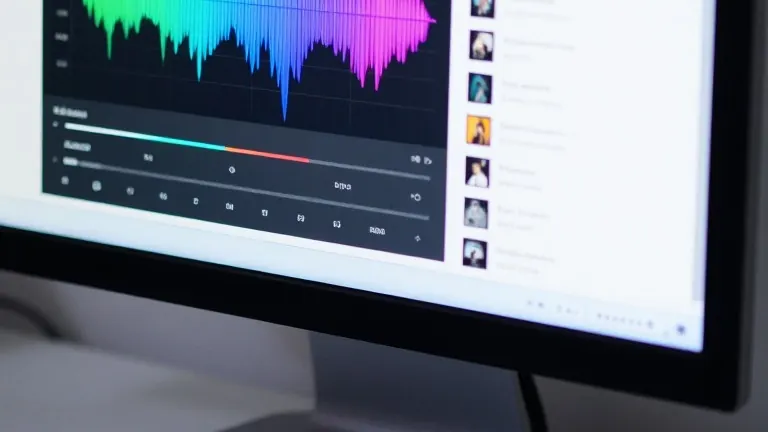
Visual customization options extend beyond standard dark mode themes. Spotifast supports legacy skins from Windows Media Player and Winamp. The application also includes MilkDrop integration, which provides access to more than 10,000 visualizer presets. These visualizers operate simultaneously with on-screen lyrics, allowing users to replace static album artwork with dynamic graphics.
The most distinctive feature for many users is the support for local file playback. The client allows users to load MP3 files and other local audio formats directly into the library alongside their Spotify playlists. This eliminates the need for a separate music player to access files not in Spotify's catalog. The local collection appears as a primary component of the interface rather than a secondary setting.
Developers released Spotifast with a focus on performance and personalization for desktop environments. The application currently supports Windows, Linux, and macOS platforms. By combining a lower memory footprint with traditional desktop music player features, the project offers a distinct alternative to the official Spotify client.