Miami ZIP code offers 15 months of housing stock, far outpacing national average
A new analysis of over 6,000 ZIP codes reveals extreme local variations, with one Miami neighborhood showing excess supply while a Rochester area sees homes sell above asking price.
By Ryan Carter ·
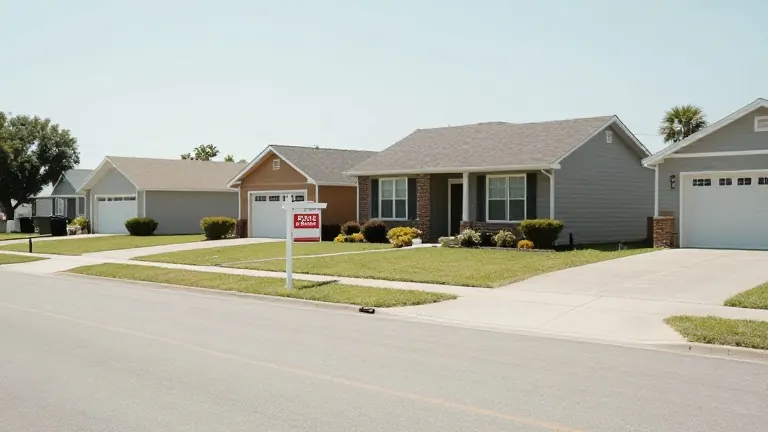
A specific neighborhood in Miami, Fla., currently represents the strongest buyer’s market among more than 6,200 ZIP codes analyzed by ConsumerAffairs. In that area, the supply of homes for sale would last more than 15 months at the current sales pace. This stands in sharp contrast to the national average, where housing supply lasts approximately five months.
The analysis, released on Thursday, used data from April through June 2026 to measure market conditions. The study found the strongest seller’s market in a neighborhood in Rochester, N.Y., where nearly 94% of homes sold above asking price during the study period. Ella Gomes, a media relations specialist at ConsumerAffairs, stated that these results illustrate how much the market can differ from place to place.
Gomes noted that while national trends shift toward a buyer’s market, the housing market remains highly localized. “You can have one ZIP code in a city that ranks top for buyers and one that ranks as top for sellers,” she said. The team examined the data ZIP code by ZIP code to identify these distinct local patterns.
The report attributes the buyer-friendly conditions in parts of the South to a recent increase in housing supply. “The South and areas like Miami had a significant amount of housing added in recent years,” Gomes explained. “So in some markets, there are now more properties available relative to the number of people looking to buy. And that can translate into more choice and more negotiating room for buyers.” She identified Florida as the clearest example of this pattern in the ranking.
Gomes advised buyers to look beyond national numbers and citywide averages when shopping for a home. In buyer-friendly ZIP codes, she said, individuals may have more time to compare properties, negotiate on price, or ask for concessions. Conversely, in stronger seller’s markets, buyers may need to prepare for homes to move quickly and for competition above asking price.
The analysis clarifies that a buyer-friendly market does not necessarily mean homes are affordable. Even with more room to negotiate, buyers should ensure the home and financing fit their monthly budget. The data suggests that local conditions, rather than national trends, will dictate the leverage available to individual purchasers in their specific neighborhoods.