Iran's Supreme Leader urges officials to boost birthrate amid economic slump
Supreme Leader Mojtaba Khamenei called population growth a strategic priority as the country's fertility rate drops to 1.34 and marriage numbers fall by more than half.
By Nathan Reed ·
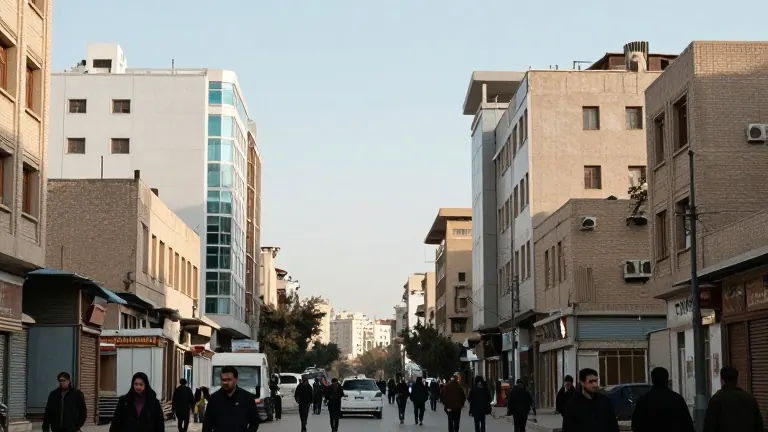
Iran's Supreme Leader Mojtaba Khamenei told officials on Tuesday that the country must make it easier for young people to marry and have children.
Khamenei, who has not appeared in public since taking office in March, described population growth as a strategic priority. His message was read at a ceremony for the National Population Rejuvenation Award, which honors efforts to support families and increase birth rates.
The country of 93 million people faces a shrinking youth population. The fertility rate has fallen from 6.7 children per woman in the 1980s to 1.34 today, according to Marzieh Vahid Dastjerdi, secretary of the National Population Headquarters.
Dastjerdi said several provinces are already seeing their populations decline. She warned that if officials do not act to reverse the drop in marriage and childbearing, Iran's population could shrink to 31 million over the next 75 years.
The decline in marriage is the primary driver of the demographic shift. The number of marriages fell by more than 50% between 2011 and this year, according to Iran's Civil Registration Organization.
The organization attributed the drop to inflation, rising housing costs, and unemployment. Eighteen million Iranians of marriageable age are still single, including 10 million men and 8 million women, state media reported. Roughly 2.4 million women over 35 are single.
Khamenei urged officials to promote a family-centered culture and improve individual health to help Iran overcome a critical period. His directive follows warnings from other Iranian officials about the consequences of a spiraling rate of marriages and births.
Fatemeh Mohammadbeigi, a member of the parliament's health commission, noted that the trend of one-child families has created educational and social problems. She said that within 15 years, each young couple may have to care for two sets of elderly parents without siblings to share the burden.
The economic pressure is forcing families to make difficult choices. Births registered in Iran dropped from 1.3 million in 2012 to 892,000 in 2025. The percentage of the population aged 14 and under declined from 25.3% to 15.8% over that same period.
At the same time, the population aged 60 and over rose from 8.2% to 12.6%. If the current trend continues, people over 60 will account for nearly a third of the population by 2050.
In Tehran, the capital, births have fallen nearly 10% and deaths have risen more than 6% since March compared to last year. The International Monetary Fund predicts Iran's economy will shrink by 7.6% this year due to a US naval blockade and ongoing sanctions.
A lack of employment opportunities is discouraging young people from starting families. One recent study found that young women, including students and mothers, are selling their hair to make ends meet. A 27-year-old master's student told the Iranian outlet Fararu that she chose to sell her hair rather than her laptop to avoid delaying her thesis.
More World · Charlotte news · Report a business · Got a Story?