Consumer Reports recommends specific alarms after expert’s home incident
A blocked chimney triggered a home alarm for a CR expert, leading the organization to rank three specific detector models.
By Ryan Carter ·
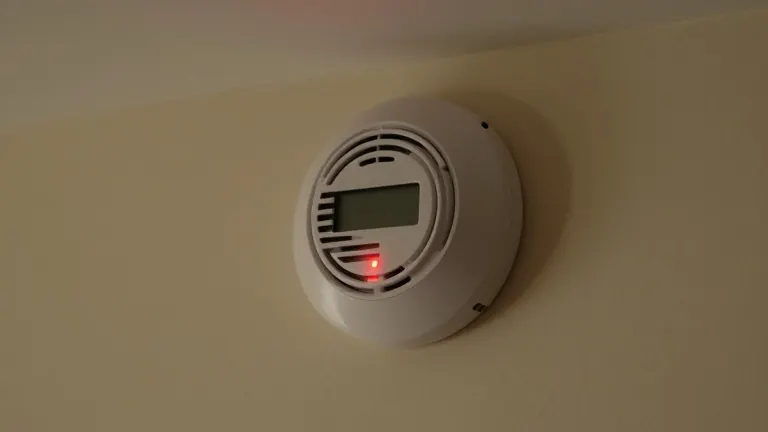
Consumer Reports has released new recommendations for carbon monoxide detectors following an incident at the home of one of its own experts. The organization urges households to install working alarms to protect against the odorless gas, which kills more than 400 people annually in the United States.
Paul Hope, a Consumer Reports expert, experienced the danger firsthand this past winter. On the first cold night of the year, his boiler activated and triggered a carbon monoxide alarm in his Charlotte home. Hope and his wife immediately evacuated their family and pets, relying on the alarm as their sole warning sign.
“The first really cold night of the year caused our boiler to kick on, and it triggered our carbon monoxide alarm,” Hope said. Investigators later traced the buildup of gas to a blocked chimney, which has since been repaired.
Gabe Knight, who works for Consumer Reports, emphasized that detectors serve as the primary defense against the gas because humans cannot detect it through sight, smell, or taste. “We can’t see it, we can’t smell it, we can’t taste it. So, your best line of defense against carbon monoxide poisoning is a working detector,” Knight said.
Consumer Reports testing indicates that different alarm models respond to carbon monoxide at varying speeds. The organization recommends the battery-powered First Alert CO410 for households seeking a lower-cost option, a model that starts at $35. For those preferring a plugged-in unit, Consumer Reports suggests the Kidde Nighthawk KN-COPP-3, which begins at $60.
For travelers or for added home protection against lower gas levels, Consumer Reports identified the Forensics Detectors Travel CO as the top performer in its tests. The portable device is priced at $99.
Hope noted that the alarms likely prevented a severe outcome for his household. “It’s entirely possible that having carbon monoxide alarms in our house saved our lives or, at the very least, kept us from getting really sick,” he said. Consumer Reports advises buyers to look for UL, ETL, or CSA group certification labels to ensure the device meets specific safety standards.
More Business · Charlotte news · Business Watchdog · Report a business · Got a Story?