Colombian farmers replant endangered mountain plants
Volunteers in the Andes are carrying seedlings to high-altitude wetlands to restore water sources threatened by mining and climate change.
By Natalie Cooper ·
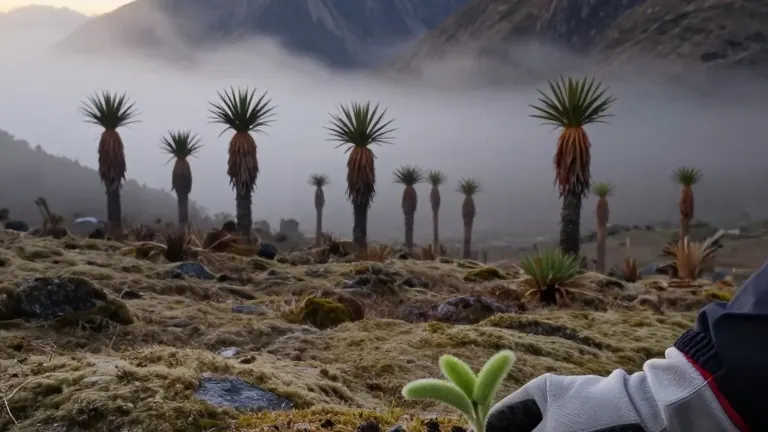
Two-thirds of the nearly 150 frailejon species found in Colombia's high mountain wetlands are at risk, with 17 currently classified as endangered. Mauricio Diazgranados, chief science officer at the New York Botanical Garden, stated that these plants serve as a keystone species for maintaining páramos and producing water. He noted that most frailejons are in trouble despite their critical function in the ecosystem.
The wooly fuzz on the leaves of these plants, which can grow 30 feet tall, protects them from cold temperatures and absorbs water from cloud cover. This moisture helps sustain the páramos, which feed major rivers and supply much of the country's water. However, threats have increased as farmers, cattle ranchers, and coal miners push higher into the Andes. Climate change is also warming the mountains, allowing invasive species to survive at altitudes where they previously could not.
Moisés Moreno, 53, operates a greenhouse at 10,000 feet near Monguí, Colombia, where he nurtures seedlings for restoration projects. Moreno grew up on a farm in the area and once chopped down frailejons to make room for potato fields and cow pastures. He later worked in a coal mine, where a cave-in injury led him to vow to work above ground. He subsequently studied the local ecosystem and began leading expeditions to replace the plants his community had removed.
Colombia's National Parks agency and armed forces have joined reforestation campaigns following wildfires that scorched thousands of acres. Public awareness of the plant's value has also been boosted by Ernesto Pérez, a popular cartoon character shaped like a frailejon. Several volunteers told Moreno that the character and its theme song introduced them to the plant's importance. One volunteer, Nicolás Coronado, 25, described the song as very contagious while carrying a 6-inch seedling up the mountain.
The restoration group hikes to an altitude of 11,000 feet, passing streams and lagoons in a state park. The terrain is damp, with barbed-wire fences and grazing cows visible nearby. Assistants teach volunteers to dig shallow holes, add shredded tobacco as fertilizer, and place the tiny plants into the soil. The process is slow, with plants growing only a few inches per year and many dying in the harsh climate.
Before planting, volunteers held a ceremony to connect with mountain spirits, including a prayer and a conch shell blowing. Biologist Julieta Barba named her seedling Gerry, in honor of her mother. After packing dirt around the roots, she said she was excited for the plant's future in the páramo.
More News · Charlotte news · Report a business · Got a Story?