California Releases 75 Native Olive Ridley Sea Turtles Into Pacific
The first sea turtle hatchlings born on the US west coast have been released into the ocean following a historic nesting event in southern California.
By News Media House Staff ·
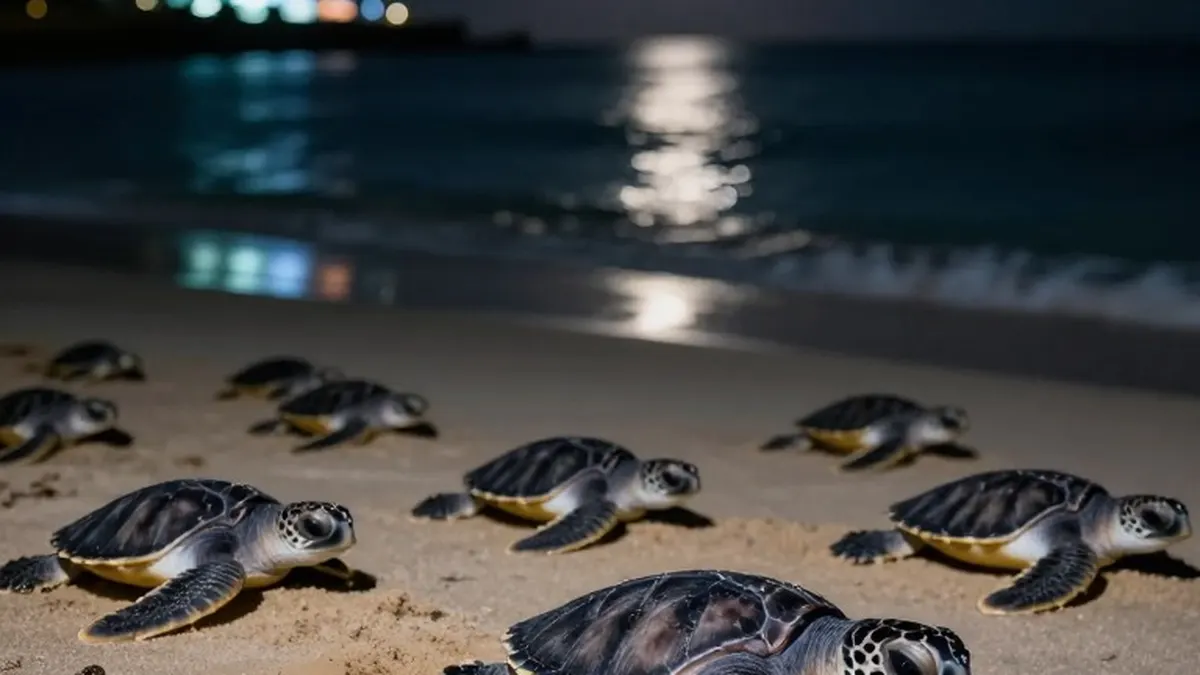
A historic milestone in marine biology was reached in southern California when 75 olive ridley sea turtles were released into the Pacific Ocean. These hatchlings are the first native born sea turtles to be recorded on the US west coast, marking a significant shift in the species' geographic range. The release took place over a weekend in November, roughly two months after the initial discovery of their nests.
The eggs were incubated at the Aquarium of the Pacific in Long Beach after the historic discovery of two separate nests in September. The first nest was identified on 16 September when an olive ridley sea turtle was observed laying eggs on Seal Beach. Three days later, a second turtle was spotted nesting on Huntington Beach. This unusual activity is believed to have been driven by this year's El Niño conditions.
The Aquarium of the Pacific announced the first emergence of the hatchlings on Saturday via a social media post. The organization reported that eggs from the Seal Beach nest successfully hatched after a 58-day incubation period. Working with partners, staff carefully released these turtles from the beach during the dark early hours of the morning. The following day, the aquarium reported that a second group of hatchlings from the Huntington Beach nest was also released into the ocean early on Sunday morning.
In total, 54 turtles were released from the Seal Beach nest, while 21 hatchlings came from the Huntington Beach nest. The olive ridley sea turtle is typically a tropical species that resides in the Pacific, Indian, and Atlantic oceans. While the species has been known to nest on the southern tip of Baja California, the presence of nests in California represents a notable expansion of their habitat.
Researchers noted that the specific reasons for the turtles choosing southern California beaches remain unclear. However, the aquarium stated that this event indicates an important historical change with potential long-term implications for the species and local management strategies. Factors such as the incoming El Niño, recent tropical storms, range expansion, or navigational mistakes may have influenced the turtles' behavior. The species is also recognized for its behavioral flexibility.
As Hurricane Polo began to form in late September, researchers from the aquarium and its federal and local partners took precautionary measures. They relocated 204 eggs from the two nests to the safety of the aquarium's animal care facility. This intervention ensured the eggs could incubate in a controlled environment away from the potential threats posed by the storm and the changing weather conditions.
Jeffrey Flocken, president and CEO of the Aquarium of the Pacific, emphasized the need for human adaptation as animals change their natural behaviors. He stated that humans must make space to ensure endangered and threatened species have a fighting chance. Flocken expressed hope that if these baby turtles survive, they may one day return to nest on these same beaches, providing a remarkable opportunity to help the species expand its range and thrive.
Although the hatchlings from the first two nests have now returned to the ocean, researchers continue to advise the public to remain vigilant. They are looking for additional nests that may have formed during this period. A third nest was recorded in Ventura County on 1 November. Unfortunately, those eggs were swept away by unusually high tides, which were also likely caused by the El Niño conditions affecting the region.
Originally published by News Media House